
 Track Order
 Wishlist
 Sign In

 FREE delivery over £500*
 Price Match Promise
 Finance options available*
 Apply for a Trade Account
5 Big Bathroom Myths Revealed: Here’s Why You Shouldn’t Fall for Them
12th Feb 2026
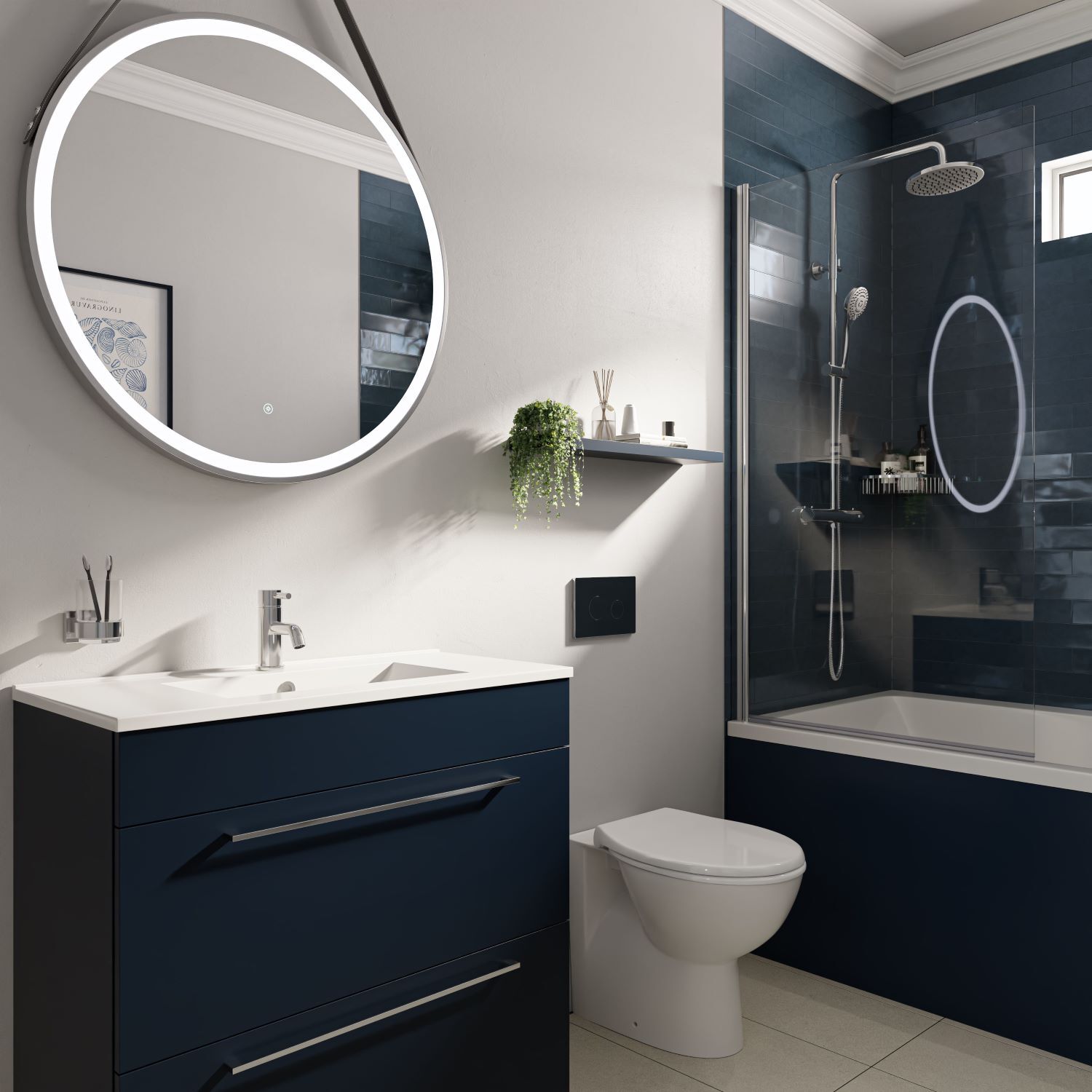
Bathrooms are one of the busiest spots in any home, but they're also one of the most misunderstood. We've all been there - blaming dirty-looking grout and a damp smell in bathroom corners on the age of the house, or thinking we just need to scrub a bit harder next time.
In reality, many of these common bathroom problems aren't about the house at all; they're actually the result of simple mistakes and myths we've all just accepted as truth. But not for much longer.
We've debunked five of the biggest misconceptions with help from Brian Toward, CEO here at Wholesale Domestic, to get the real story on what's happening behind the scenes in your bathroom.
Contents:
The 5 biggest bathroom myths debunked
From fuzzy mould patches in your shower enclosure to stubborn limescale around your taps, your bathroom has to put up with a lot. It's no surprise that there are so many "life hacks" and DIY tips promising to keep everything sparkling, but as it turns out, some of that advice can do more harm than good.
Let's dive into the truth behind these five common myths so you can keep your space looking (and smelling) its best:
1. If there’s no visible damp, the bathroom is dry
It's easy to assume that if you can't see a puddle or droplets of water sitting on your tiles, your bathroom is perfectly fine. But that's not always the case. Just because things look dry on the surface, it doesn't mean a damp bathroom isn’t slowly developing.
Recent data shows that 1 in 4 people across the UK are living with damp and mould, which can seriously impact their health. According to the UK Government, everyone is vulnerable to these effects, but it's especially risky for children and older adults.
More than one million children and 324,000 people aged over 65 are currently living in homes with damp or mould. The unfortunate part is that many of us are unintentionally causing this mould to form without realising it.
Brian explains: "It's a big mistake to think that dry tiles mean a dry room. Moisture is sneaky - it lingers in the air long after you've stepped out of the shower. If it isn't pulled out of the room properly using an extractor fan, it settles into your grout, your sealant, and even inside your cabinets."
"When that moisture has nowhere to go, it's basically an open invitation for mould. It starts forming in places you can't see, like behind the tiles or under the vanity. By the time you actually smell that musty, mouldy scent, the mould is already well underway. This is a problem for multiple reasons; it isn't just about the look of the room, it can also lead to respiratory issues or make conditions like asthma worse."
If you're already spotting a few suspicious patches, you might find our guide on how to stop bathroom mould helpful.
2. Opening a window is enough ventilation
We've all done it - cracked the window after a hot bath to let the steam escape. While this can definitely help reduce humidity in the room, it's sadly not enough on its own.
A typical family of four can release 10–15 litres of moisture into the air every day just from bathing alone, and in bathrooms without proper ventilation, this can be a big problem.
"I hear this one all the time, but just opening a window isn't a silver bullet against mould growth. In the UK, our weather tends to be cold and damp anyway. When that warm, steamy air from your shower hits the cold air coming in from the window, it turns straight back into condensation and sits on your surfaces," Brian says.
"Without a proper extractor fan to actually move the air well away from the room, that moisture stays trapped. Over time, it doesn't just cause mould; it can also make your wooden furniture swell and cause your adhesives to fail.”
“Guest bathrooms are generally the worst culprit for this because the door stays shut and the air just sits there, which is why you might notice tiles coming loose or furniture starting to rot."
3. Open shelving is fine in a bathroom
Open shelving has become a popular choice for bathrooms in recent years, thanks in part to Pinterest. It's a great way to show off those fancy perfume bottles and other decorative toiletries, but it's not always the most practical option for a high-moisture environment.
Brian says: "Open shelving is a bit of a trap in a bathroom. If they're anywhere near your shower or bath, they're constantly being hit by steam. That means your towels, your spare toilet rolls, and your products are constantly absorbing excess moisture."
"This doesn't just make things feel a bit damp - it's also a potential hygiene issue. The moisture buildup encourages bacteria, and if your towels never fully dry, they'll soon start to smell. If you love the exposed shelving look, keep them well away from the 'splash zone' and use closed bathroom cabinets for the stuff you actually use every day."
4. The more cleaning products you use, the cleaner your bathroom
We all want a bathroom that sparkles, and a regular deep clean is the best way to keep limescale at bay if you live in a hard-water area or to stop mould in its tracks if you’re dealing with humidity issues. It's easy to think that using multiple cleaning products that target different problems will help keep your bathroom in top condition.
However, some cleaning habits can actually do more harm than good, potentially damaging your fixtures or even affecting your health.
Brian explains: "Using more cleaning products doesn't always make a bathroom cleaner; in fact, it often does the opposite. Overuse can leave behind a sticky residue that attracts more dirt and causes excess moisture. Even worse, mixing different chemical products can damage your surfaces, break down waterproof seals and, in some cases, release toxic fumes into the air that can irritate your skin, eyes and lungs."
"Harsh or abrasive chemicals can gradually strip away the protective finishes on your tiles, grout, and glass shower panels. This makes those surfaces more porous and harder to keep clean over time. Once that protective layer is gone, you'll find that staining happens much faster."
To keep your bathroom in top shape without the risk, it's best to stick to a few tried-and-tested, bathroom-safe staples:
- Mild washing up liquid – Great for a gentle clean on most surfaces.
- Non-abrasive bathroom sprays – Designed specifically to tackle grime without eating away at finishes.
- Microfibre cloths – This soft material is brilliant for buffing surfaces dry without leaving scratches.
- Squeegees – The ultimate tool for preventing water spots on glass before they even start.
It's also worth being careful with those "miracle" DIY tips you see on social media, as Brian adds: "Not every cleaning hack you see online is safe for your bathroom. For example, baking soda is often recommended for cleaning mirrors or shower doors, but it's actually quite abrasive. If you're not careful, it can scratch the glass or leave a cloudy residue if not rinsed perfectly, leaving your surfaces looking dull and streaky."
"Using a few, effective products that are actually designed for bathroom materials will always give you better results than bucket loads of different chemicals. Plus, it'll help extend the lifespan of your bathroom so you aren't looking at a renovation sooner than you planned."
5. Grout discolouration always means dirt
Grout is the unsung hero of your bathroom surfaces. It's vital for keeping your tiles firmly in place and, more importantly, for preventing water from seeping into the cracks and loosening the adhesive behind them. However, because grout is naturally porous, it's unfortunately a magnet for stains and dirt.
Most of us assume that if we see discoloured grout, it's a sign that it's dirty and needs a good, deep scrub. But as Brian explains, that isn't always the case: "Grout staining isn't always caused by dirt. In many cases, it's actually a sign of trapped moisture sitting just below the surface. When humidity in a damp bathroom can't escape properly, the grout absorbs that moisture like a sponge and darkens over time, even if you're cleaning it every single day."
Brian has also revealed why reaching for the scrubbing brush might be making things worse: "The problem is, scrubbing doesn’t always help. It breaks down the grout and strips away any remaining protective layer, which makes it even more porous and likely to soak up moisture. If dampness is the root cause for grout stains, scrubbing just resets the cycle and causes that staining to come back even faster than before."
Instead of deep cleans, Brian says you might need to look at the room as a whole: "If you've got staining that won't budge, it might be a warning sign of a much bigger issue, like poor ventilation, failing seals, or even poor waterproofing behind the tiles. Addressing the airflow and moisture control in the room is going to be far more effective in the long run than just repeatedly trying to clean the grout surface."
If you've realised your grout or sealant is past the point of a simple clean, it might be time to start fresh. See our guide on how to remove sealant to help you get your watertight finish back under control.
Why does debunking bathroom myths matter?
While these misconceptions might seem harmless, the truth is that looking after your bathroom properly saves you a lot of stress, money, and time in the long run. By ignoring the hidden signs of moisture or using the wrong cleaning methods, you aren't just risking a bit of stained grout; you're potentially shortening the life of your suite.
When you know the reality behind these myths, you can maintain your bathroom in a way that keeps everything looking brand new for much longer.
Most importantly, though, it's also about your well-being. A damp bathroom is a breeding ground for bacteria and mould, which can cause health conditions or worsen existing ones. Keeping the room well-ventilated and using the right products to keep surfaces hygienic are vital steps in protecting your family's health and making sure the air in your home stays clean and fresh.
Give your bathroom some TLC with Wholesale Domestic
Now that we've cleared up those myths, why not give your space the refresh it deserves?
If you've realised your current setup is a moisture-trap, we're here to help. Whether your basin is looking worse for wear or you're ready to swap those open shelves for a sleek new mirror cabinet, we've got you covered. Plus, if you feel like your bathroom needs a bit more than just a clean, shop our full range of furniture to find pieces that are built to handle the humidity.
Or, check out our blog for more bathroom advice and inspiration.