
 Track Order
 Wishlist
 Sign In

 FREE delivery over £500*
 Price Match Promise
 Finance options available*
 Rated Excellent on Trustpilot
Radiator Buying Guide: How to Choose the Right Heating for Your Space
2nd Sep 2026
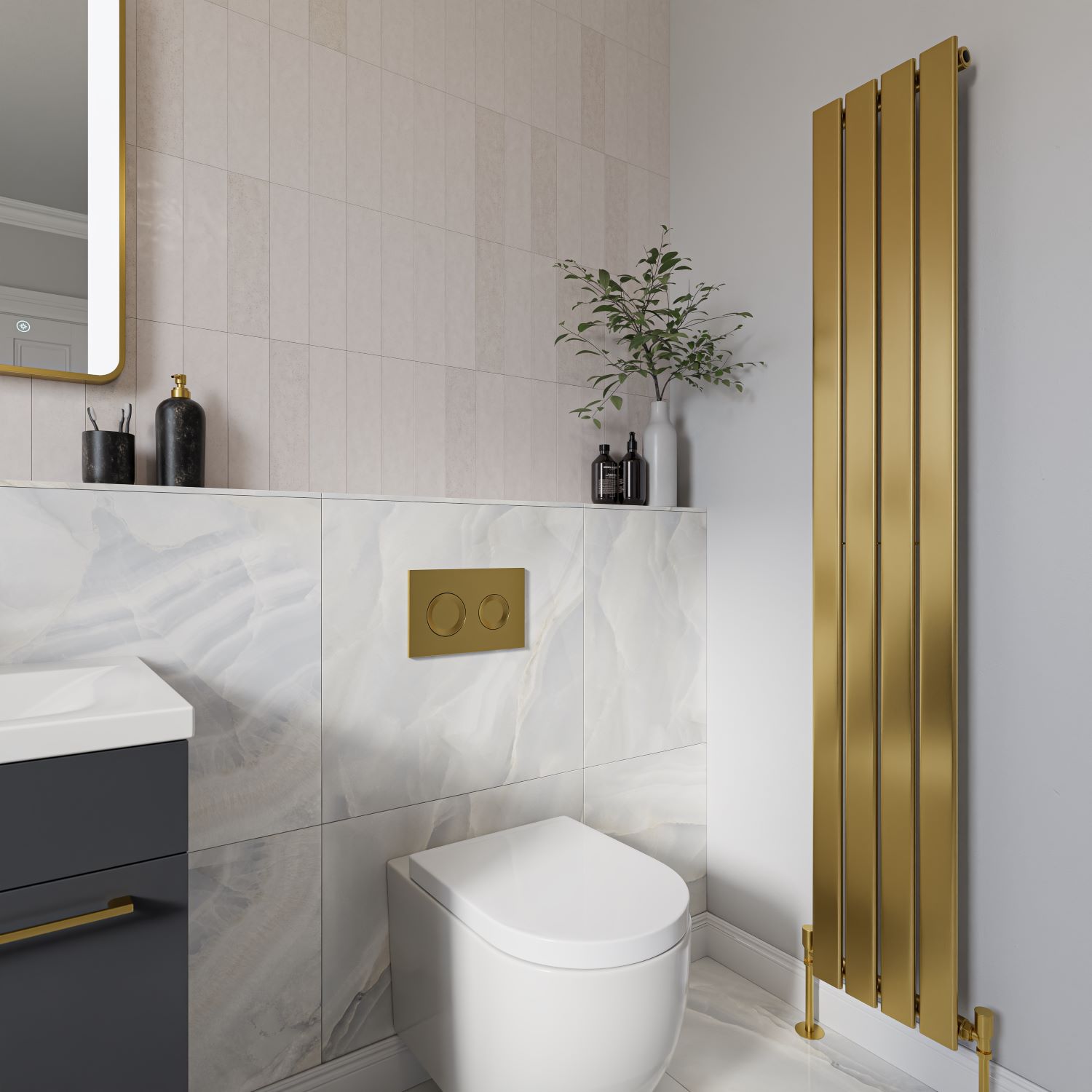
Choosing the right radiator is a game-changer for keeping your home toasty and your energy bills under control. Whether you're upgrading an old model or furnishing a new space, radiators have come a long way from the traditional white panels we all knew growing up. Now, there's a wide range of options to suit every aesthetic and layout.
With so many options, it can be tricky to find the best type of radiator for you. In this guide, we'll walk you through the different radiator styles, sizes, and valve choices available, while explaining how to calculate your heat output requirements and measure up accurately. We've also spoken with Brian Toward &– CEO here at Wholesale Domestic – to guide you through the process.
Contents:
- Radiator types explained
- A quick guide to radiator sizes
- How to measure a radiator
- What else to consider when buying a radiator
- How to choose radiator valves
- The best radiator for every home
- Frequently asked questions
Radiator types explained
When it comes to radiators, there's no shortage of options. Finding a suitable model depends on your home's heating requirements and personal style. Whether you're working with a compact space or a larger bathroom, finding the perfect radiator is often the finishing touch that brings your decor together.
In this section, we'll explore the different types of radiators available to help you decide which is the best fit for your home.
Column radiators
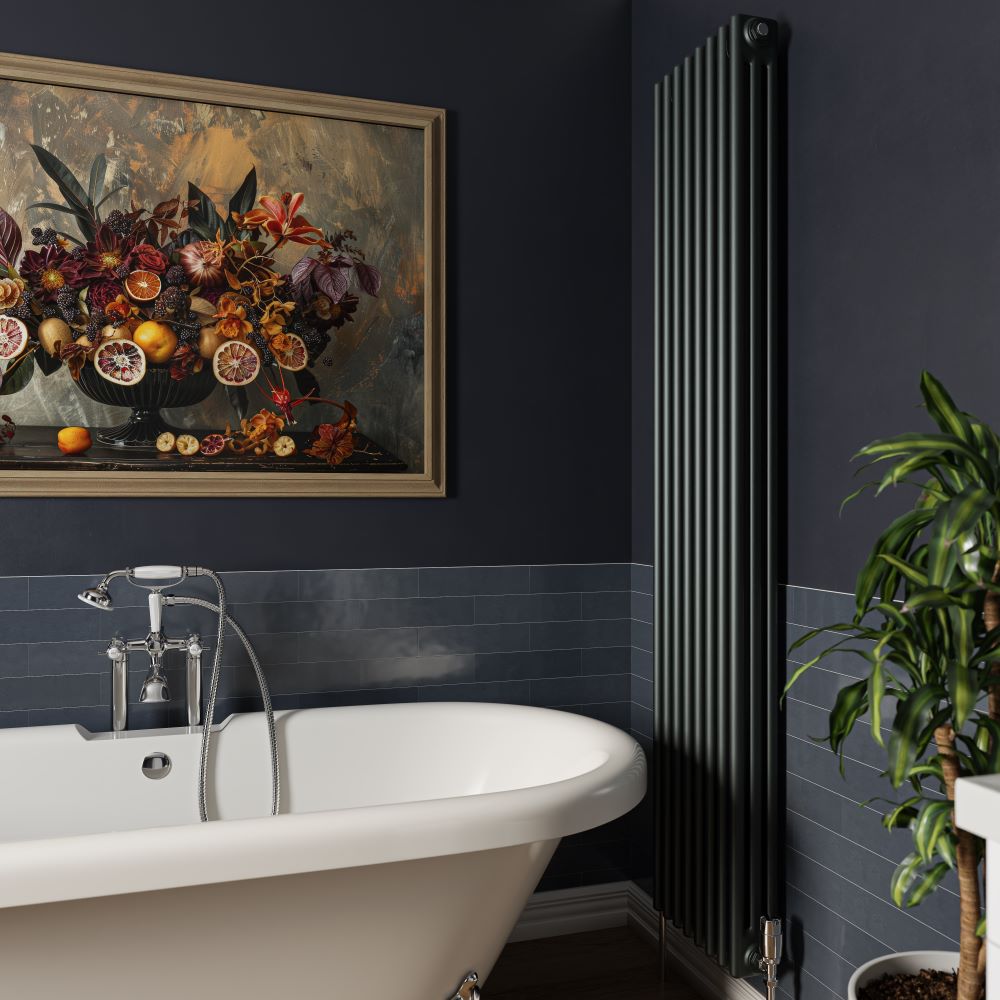
Column radiators are a versatile option that supply powerful heating with a classic design we're all familiar with. They have multiple vertical columns that circulate hot water from your central heating system, offering an impressive output that's ideal for warming larger rooms or homes with high ceilings.
Their timeless design complements traditional and modern interiors, making them a popular choice all over the world – especially when paired with period features like luxury freestanding baths and pedestal basins.
One key benefit of column radiators is their flexibility. Depending on the amount of wall and floor space available, they can be mounted or left standing on the floor. This makes them an excellent choice for various room layouts, from spacious living areas to more compact downstairs toilets.
Column radiators are available in a wide range of sizes and finishes, from bold, modern colours to exposed metals for a more vintage aesthetic. This means you can easily personalise your heating to complement your decor.
Convector radiators
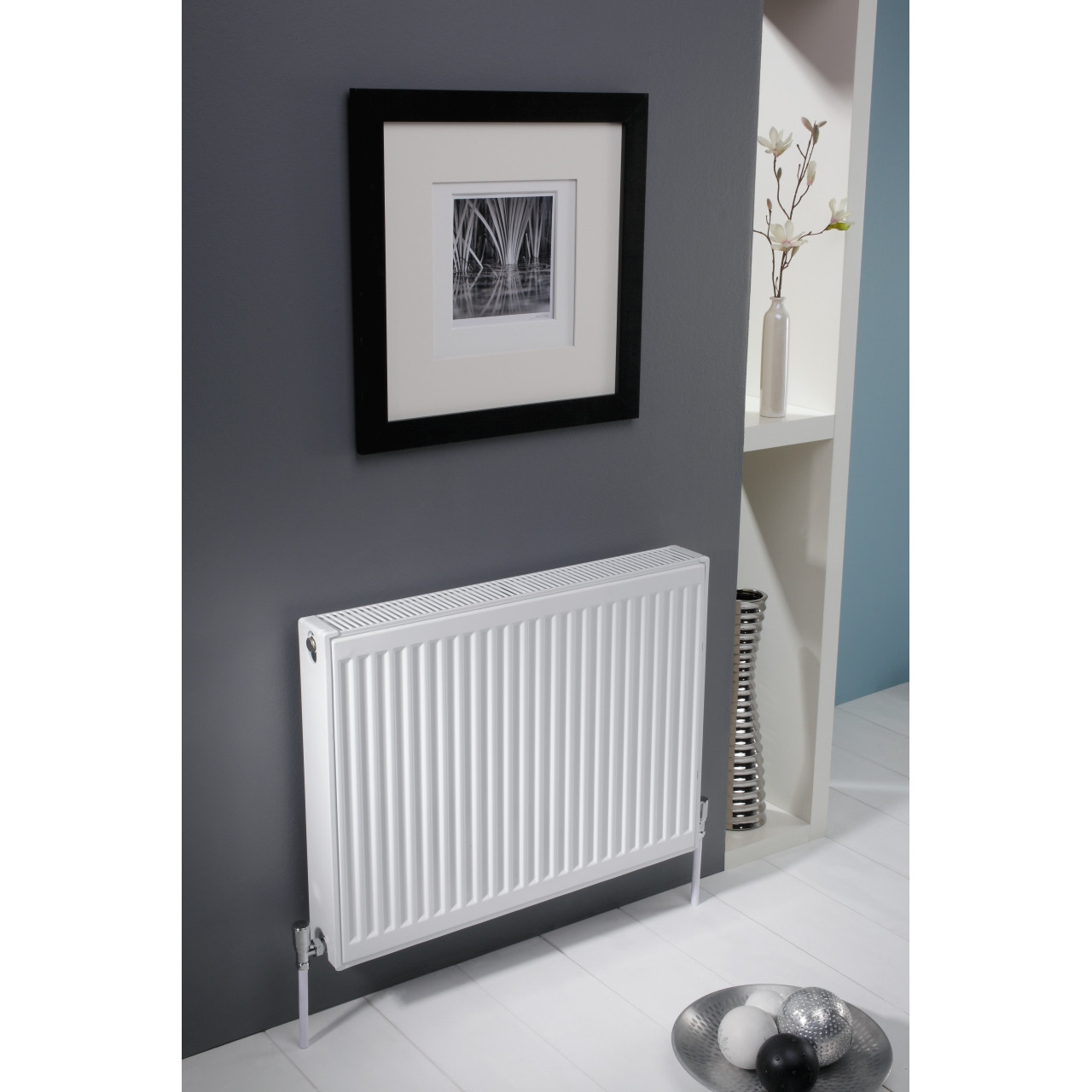
Convector radiators are another common option found in many homes. They work by circulating hot water through a series of panels filled with 'fins' (also known as convectors), which help spread heat around more effectively. The fins increase the radiator's surface area, letting it warm up your room quickly without taking up too much wall space.
Their slim profile means they can fit neatly into any room. They're usually wall-mounted, available in a wide range of sizes, and known for their easy installation.
Convector radiators are available in single, double, or even triple-panel options, so you can choose the level of heating needed for each room.
Designer radiators
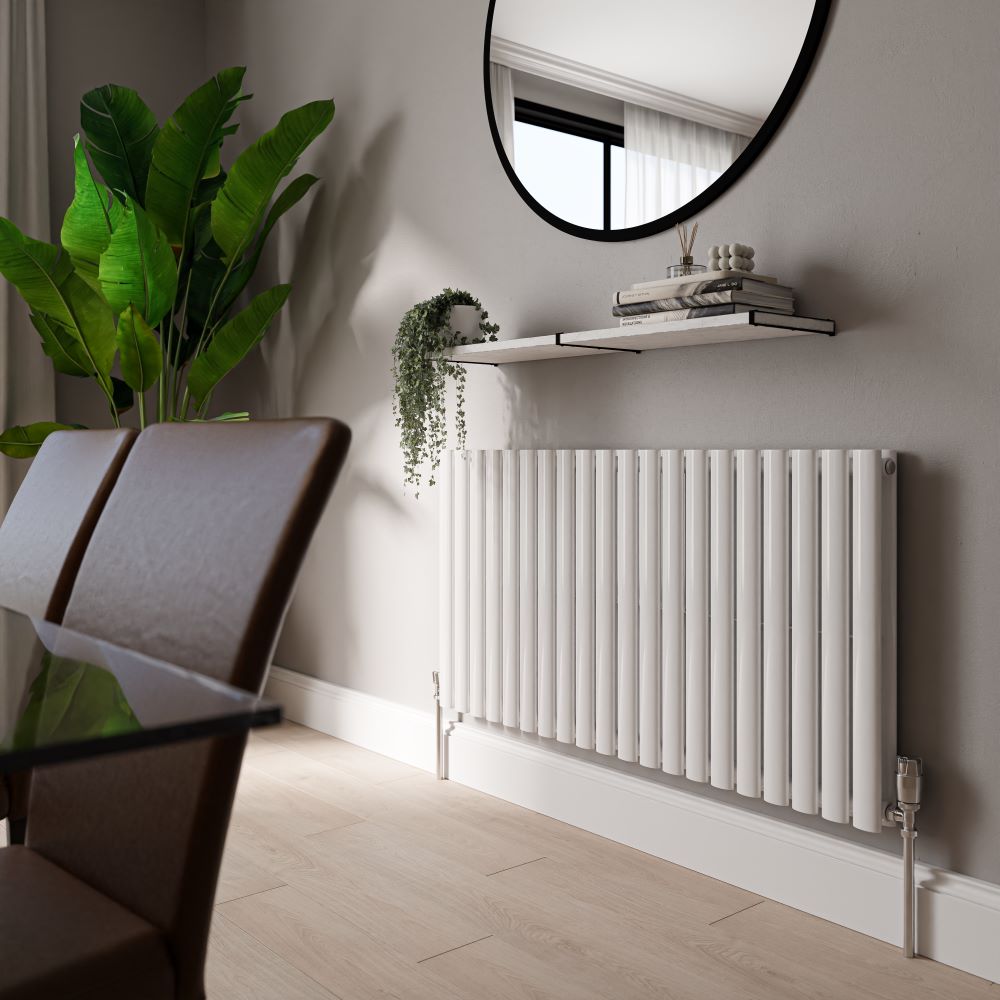
Designer radiators have a clean, modern profile. They can instantly refresh the look of any room and match your existing decor while still offering efficient heat distribution.
These radiators come in a variety of luxury finishes that aren't usually seen on standard radiators – including matt and metallic options in colours like anthracite, brass, or black – adding a bold design element to your space.
Some models even include additional features, like handy built-in towel rails, making them great for bathrooms with limited storage. If you're looking for stylish bathroom heating that doubles as a statement feature, designer models are a fantastic choice.
Floor-standing radiators
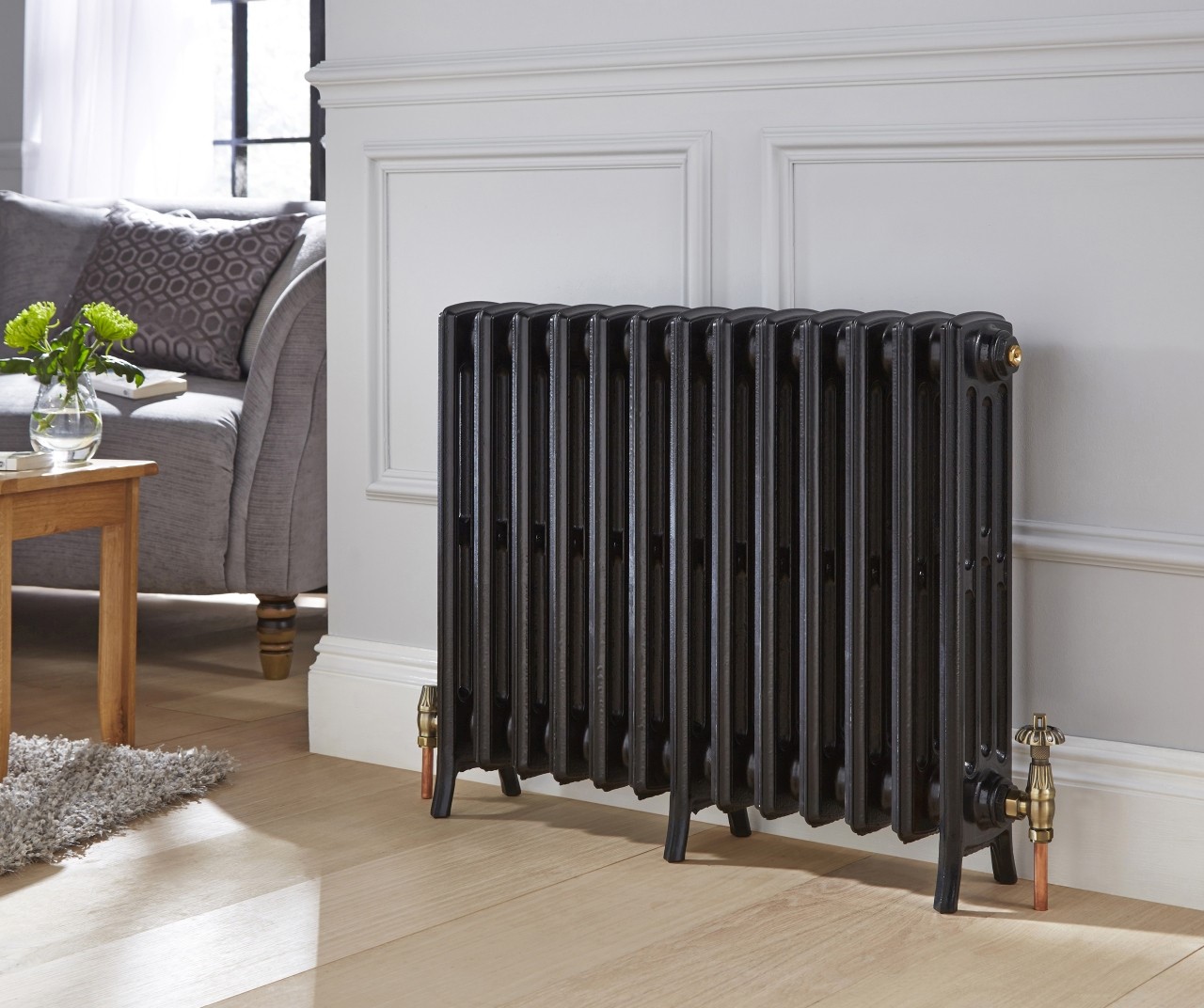
Floor-standing radiators are excellent when you're working with rooms that have limited wall space, weaker plasterboard, stud walls that can't support heavy weight, or when you're trying to create a more standout design feature. As the name suggests, these radiators are fitted directly onto the floor using a set of feet.
They're often available in traditional materials such as cast iron, which can either be painted to suit your home's decor or left unfinished for a vintage look.
In addition to their classic design, floor-standing radiators also offer excellent heat output and are versatile enough to work everywhere from living rooms and hallways to bathrooms. With their sturdy build and unique design, these radiators add character to any home, though this does typically come at a higher price point than some other models.
Horizontal radiators
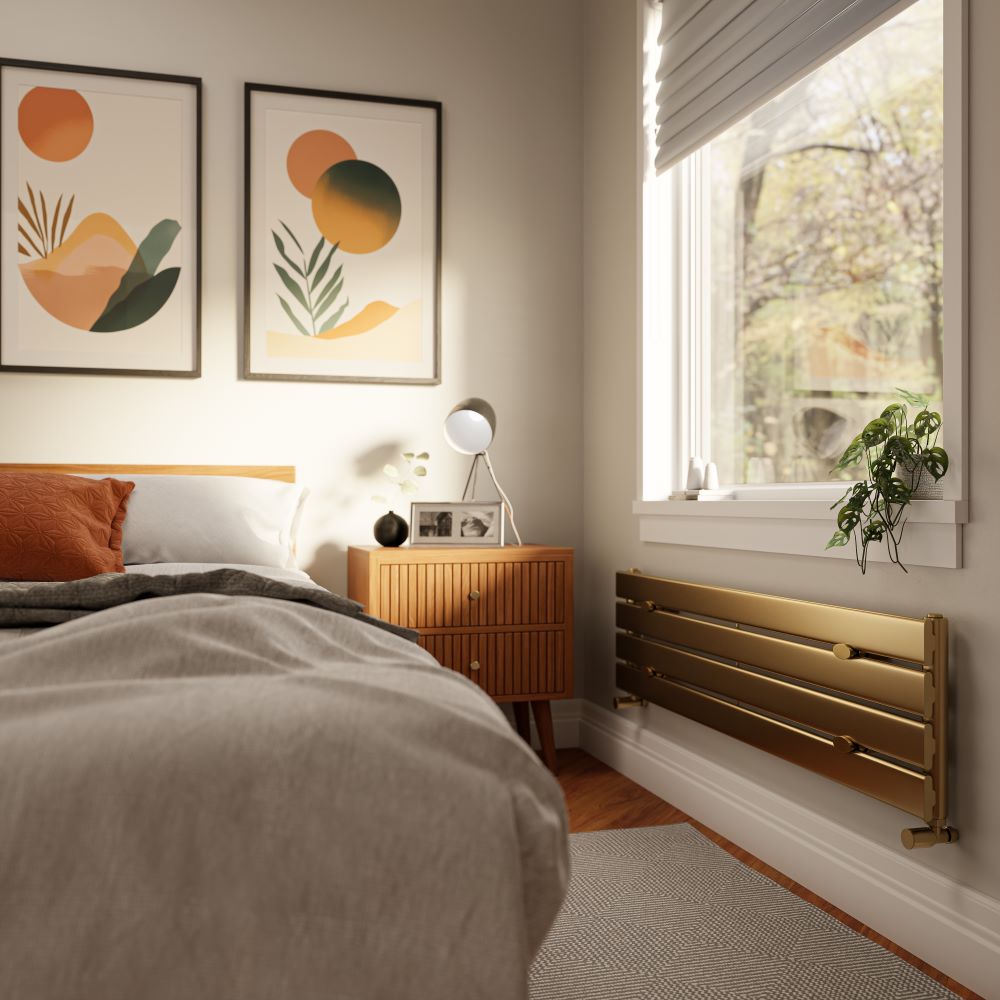
Horizontal radiators are a classic choice that's still one of the most popular radiator styles. They're designed to fit neatly along walls and under window frames, where they help counteract cold draughts coming through the glass, offering an efficient way to heat rooms without taking up much vertical space.
They look fantastic when mounted against decorative wall tiles, and some models offer greater flexibility by providing vertical or horizontal mounting brackets to suit your room's layout and wall fixtures.
Available in various sizes and finishes, including monochromatic colours like white, grey, and black, horizontal radiators can be easily integrated into traditional and contemporary designs.
Panel radiators
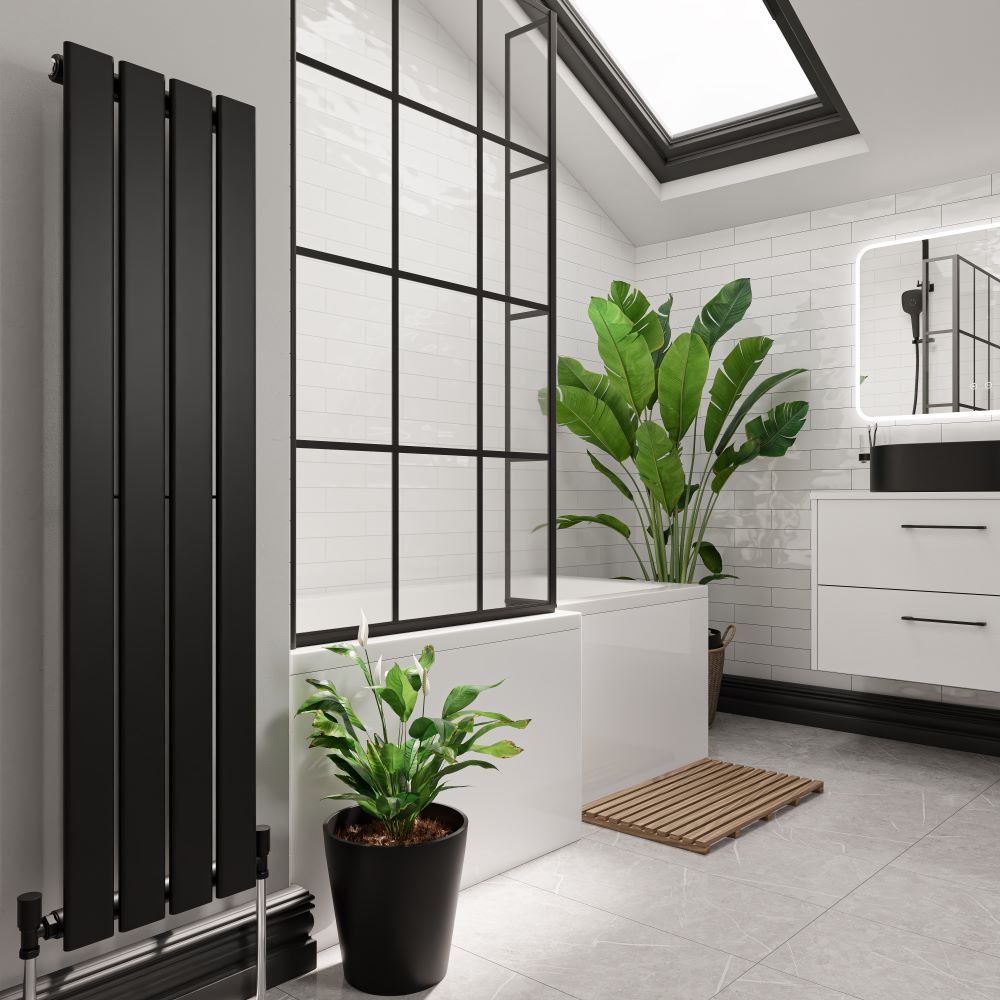
Panel radiators are a popular option, known for their modern design that works well in minimalist home settings. They move hot water through flat panels that release heat into the room. Their large surface area design makes them excellent for heat distribution, giving you a reliable choice for maintaining a comfortable temperature in living spaces, bedrooms, and more.
One of the key benefits of panel radiators is their simplicity. They're designed with a slim profile, making them perfect when you need to maximise space in a small bathroom or tight hallway without bulky radiators getting in the way.
Available in single and double-panel configurations to suit your heat requirements, panel radiators can be tailored to work with your home's size and layout.
Type 11 radiators
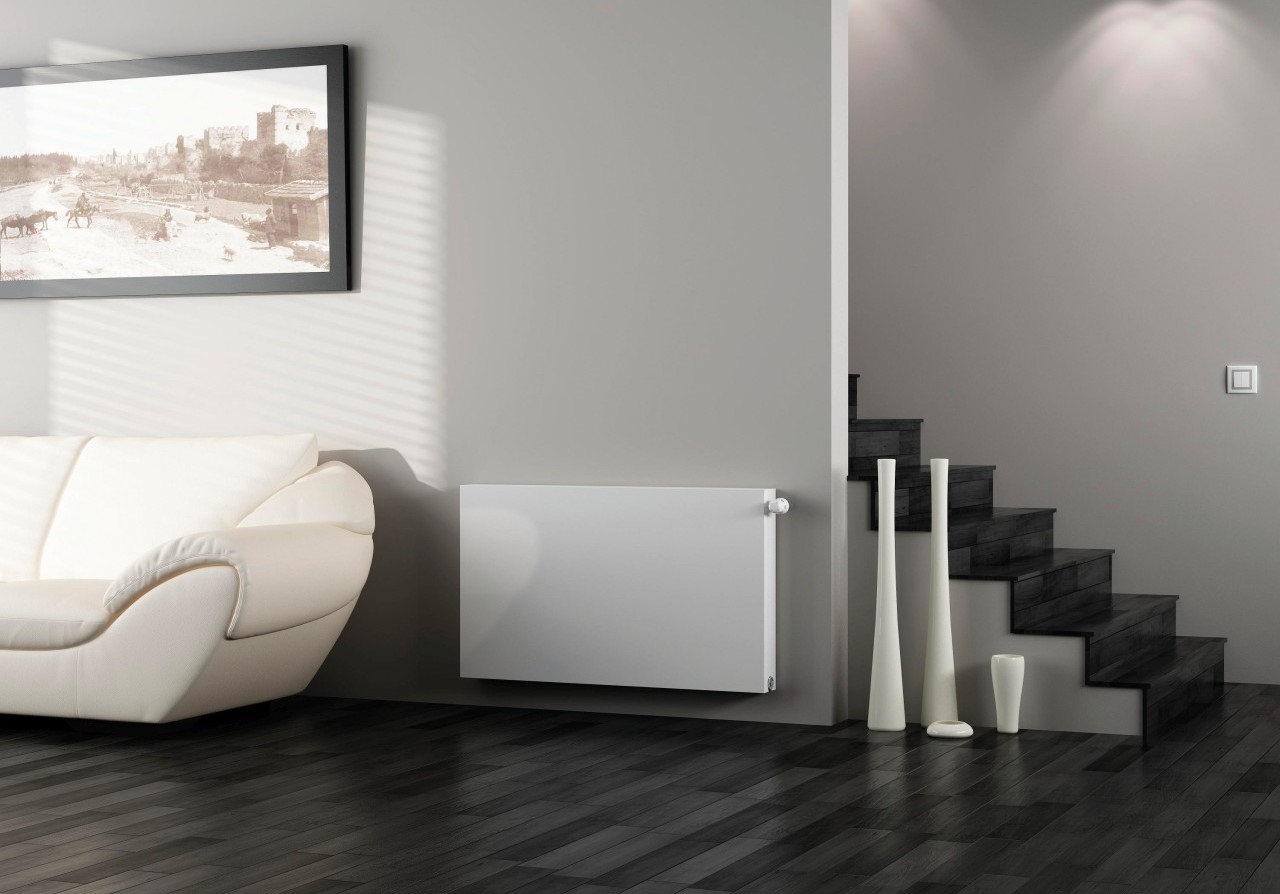
Type 11 radiators, also known as single-panel, single-convector radiators, are designed to provide efficient heating in smaller rooms while being much cheaper to run than their double- or triple-panelled counterparts.
A handy trick to remember the naming system is that the first digit represents the number of panels (1), and the second digit represents the number of sets of convector fins inside (1).
They work by circulating hot water through a single panel and a set of fins, which improve airflow around the radiator and increase the heat output.
The slim design makes them a fantastic option for tight spaces where you want a low-profile heating solution. While they might not provide the same heat output as a double-panel model, Type 11 radiators are great for rooms that don't need as much heating power.
Type 21 radiators
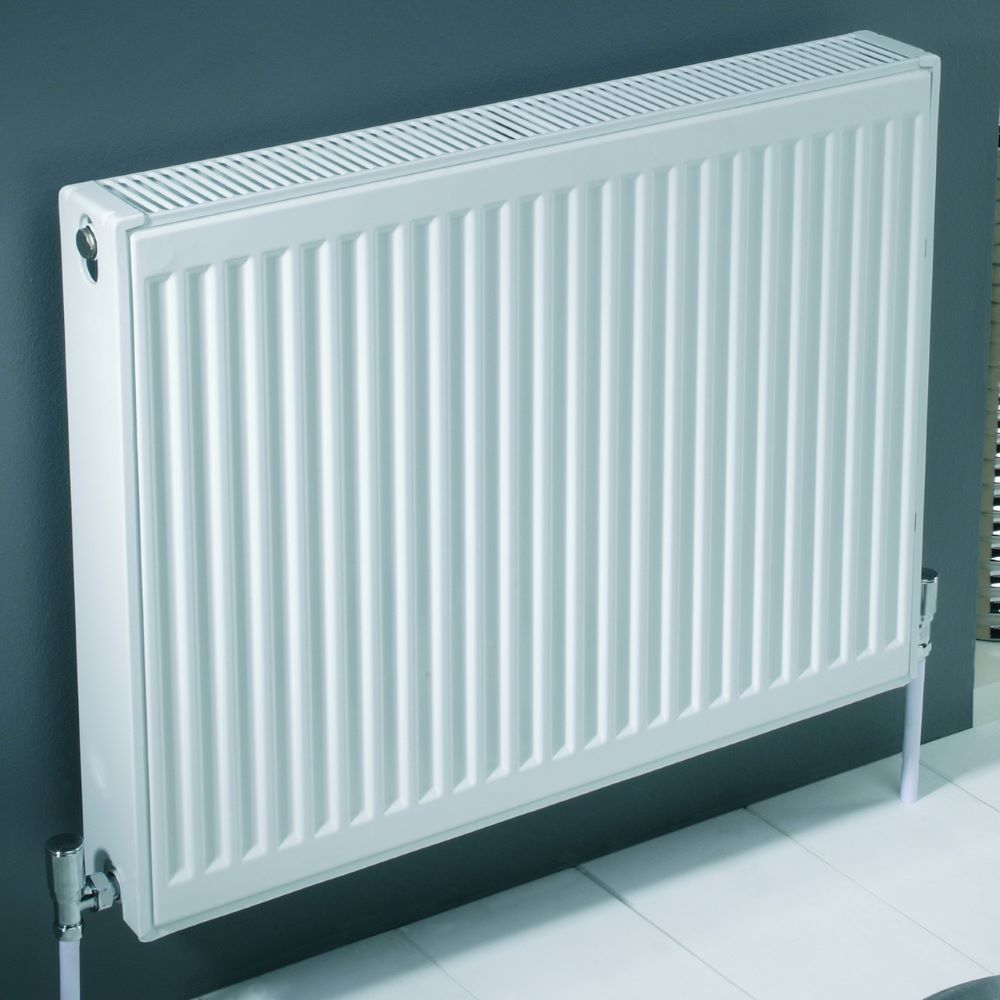
'Type 21 radiator' is another name for double-panel, single-convector radiators (2 panels, 1 set of fins between them). This design helps increase the heat output without adding too much bulk, making them a great option for medium-sized rooms that need more warmth than a Type 11 can provide.
The dual-panel design creates a larger surface area, which improves heat transfer. The single set of convector fins also helps circulate warm air efficiently throughout the room, ensuring you enjoy consistent and effective heating.
Type 22 radiators
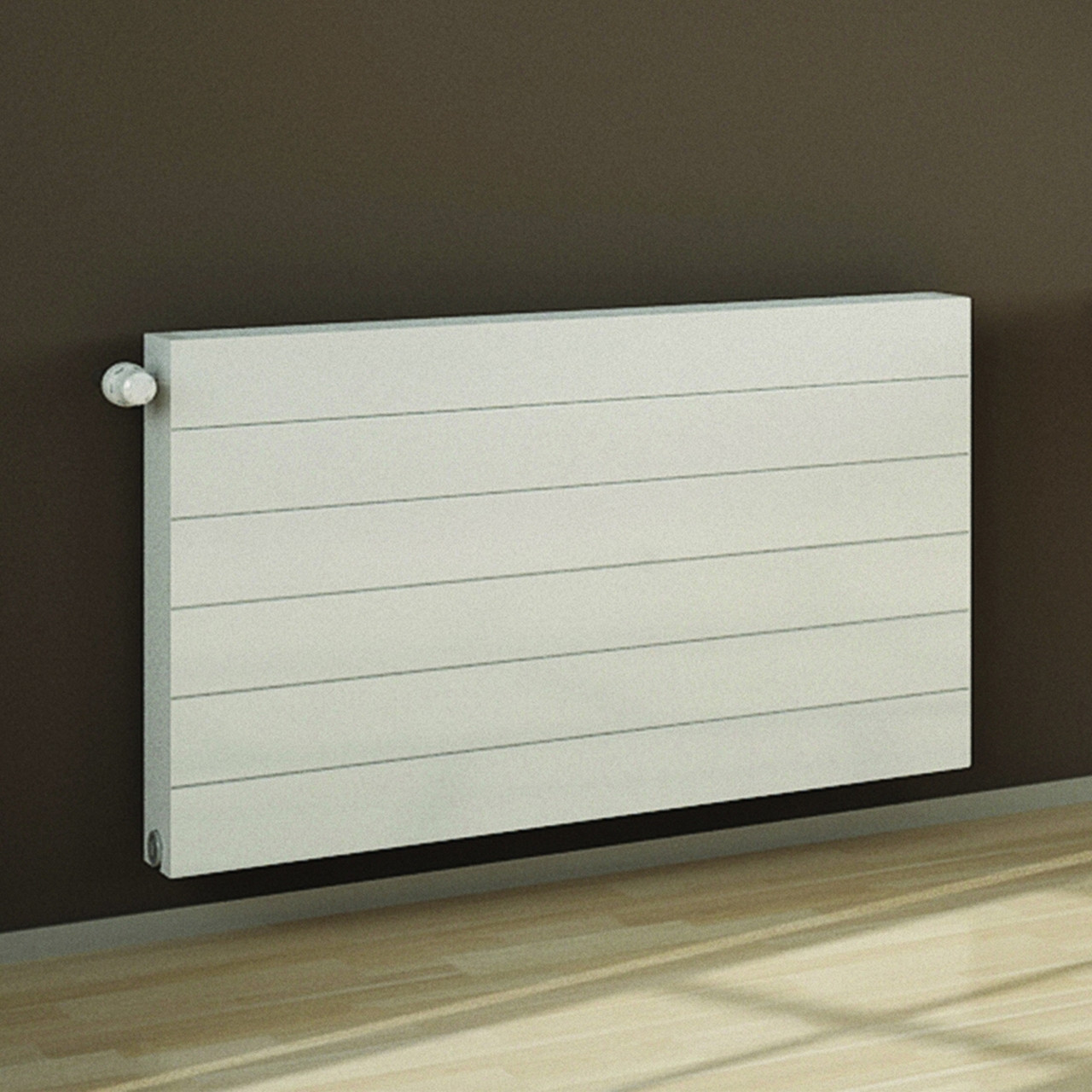
Type 22 radiators, often called double-panel, double-convector radiators (2 panels, 2 sets of fins), are built to provide maximum heat output. With two sets of panels and convector fins, they're designed to circulate warm air more effectively throughout large rooms.
These radiators are an excellent choice for open areas or rooms with high ceilings that require greater warmth. Thanks to their double-convector design, they generate a significant amount of heat while maintaining a compact appearance.
A quick guide to radiator sizes
Getting the size of your radiator right is crucial to make sure it heats your room properly. If your radiator's too small, it might struggle to heat the entire room, leaving uncomfortable cold spots that guests try to avoid. On the other hand, a radiator that's too large can overwhelm the room, both visually and in terms of heat output.
Most radiators come in a wide range of sizes to suit different room dimensions. At Wholesale Domestic, our radiators range from 300mm to 1800mm in both height and width, offering a variety of options to complement your home.
What size radiator do I need?
Choosing the right size isn't just about what looks good on the wall – it directly impacts how efficiently your home heats up and is reflected in how much you can expect to see on your energy bills.
"Picking the right radiator size comes down to getting the balance right," says Brian. "If you pick a radiator that's too small for the room, it'll have to work overtime to get the space warm. That means it'll take longer to heat up and end up costing you a fortune in your energy bills. On the flip side, going way too big means you'll spend more money upfront than you need to, and the room can get uncomfortably hot very quickly."
How to measure a radiator
Measuring your existing radiator accurately makes replacing it much easier, as matching the dimensions and pipe entry points avoids needing to make any alterations.
Before you begin, grab a tape measure, a pen, and a piece of paper to write down your measurements in millimetres (mm).
Here are four simple steps to measure your radiator correctly:
- Measure the height – Run your tape measure vertically from the top edge of the radiator to the bottom edge of the radiator body. Exclude any feet or floor brackets.
- Measure the width – Measure horizontally across the main body of the radiator, from the far left edge to the far right edge. Don't include the valves or pipework in this measurement.
- Measure the pipe centres – Measure the distance between the centres of the two radiator connections. If you're replacing your existing radiator, choosing a new model with the same pipe centre measurement can help minimise the need to alter your existing pipework.
- Measure the wall-to-pipe distance – Measure from the finished wall to the centre of the pipe. This helps you check that your new radiator will sit at a suitable distance from the wall and that the connections will line up correctly.
What else to consider when buying a radiator
Choosing the right radiator for your home goes well beyond just picking a design you like. There are several important factors to consider when you're trying to strike the perfect balance between style, performance, and practicality.
In this section, we'll explain the key things to remember when buying a radiator to make sure it meets your needs and enhances your home.
1. Materials
The material your radiator is made of plays a crucial role in how much heat it produces, as well as its durability and overall style. Different materials have varying heat conductivity, affecting how quickly a radiator heats up and cools down. The most common radiator materials are mild steel, stainless steel, and cast iron – each offering its own benefits.
Brian explains: "The material of your radiator is about more than looks. Stainless steel radiators, for example, are super durable and resistant to rust, so they're perfect for humid spots like bathrooms and kitchens. Cast iron, on the other hand, holds onto heat for longer – great for keeping places you spend a lot of time, like the living room, cosy even after the heating's been turned off."
2. Number of radiators needed
In some cases, one radiator might not be enough to heat an entire room – especially if the area is large or has an awkward layout. Instead of relying on one oversized radiator, installing multiple smaller units can provide more balanced heating. Adding an extra radiator might be worth considering for rooms with more than one window or a large floor area.
"For larger rooms or spaces with unusual layouts, having multiple radiators can make a big difference. You can place radiators strategically to ensure every corner of the room stays warm, avoiding the uneven heating that can come with relying on a single unit," says Brian.
"Using two or more radiators also gives you more flexibility in controlling the temperature of different areas of the room. You can turn one radiator down while keeping the other at full heat, matching the level of heat to your needs," he adds.
3. Heat output required (BTU)
Every home is different when it comes to the level of heat needed to warm a room, and proper heating is vital for preventing household damp and winter condensation.
Each radiator has a different BTU (British Thermal Unit) rating, which represents how much heat it can produce. To find the right heat output for your space, you'll need to work out the room's BTU.
To get a quick rough estimate of your BTU needs without using a calculator, multiply your room's volume in cubic feet (length x width x height in feet) by 4 for standard living spaces, or by 5 or 6 for rooms with large windows, high ceilings or poor insulation. This is only a rough guide.
Brian explains: "BTU is an essential measurement when choosing a new radiator. The higher the BTU requirement, the larger the radiator or the more convectors needed to heat the room efficiently."
"It's also important to factor in the room size and layout when choosing your radiator. Building elements such as ceiling height, window type, and insulation level affect the heat required. For example, larger windows can lead to more heat loss, meaning you might need a radiator with a higher output to compensate."
How to choose radiator valves
Radiator valves play a vital role in controlling the flow of water and heat through your radiator. While they're mostly a practical feature, they also come in different finishes and colours to match your chosen radiator finish.
Let's take a look at how they work and which type is right for your setup.
Types of radiator valve
Radiator valves come in a variety of styles, each designed to suit different heating needs and preferences. Here are the most common types:
Thermostatic radiator valves
Thermostatic Radiator Valves (TRVs) automatically adjust the water flow to the radiator based on the room's temperature, making them more energy-efficient than manual valves. They're ideal if you want precise temperature control in each room without manually adjusting each valve.
Manual control valve
Manual valves are the classic option for controlling your radiator. They allow you to turn the radiator on or off and manually adjust the water flow to control a room's temperature. These valves are perfect if you're looking for a cost-effective, no-fuss solution and don't need to change the temperature in individual rooms frequently.
While these valves are less energy-efficient than TRVs, they're a solid choice for high-traffic areas like living rooms or hallways where consistent heat is important.
Lockshield valve
Lockshield valves balance your heating system, and every radiator needs one. They control the amount of water that leaves the radiator, ensuring that your entire system heats up evenly. Once you've set the valve in place, it rarely needs adjusting – perfect for maintaining consistent performance throughout your home with minimal effort.
Radiator bleed valve
Bleed valves are the key to keeping your radiators running efficiently. Over time, air can become trapped inside radiators, reducing their heating ability and blocking hot water from flowing freely. The bleed valve allows you to release this air and get your radiator heating up evenly again.
For step-by-step installation instructions, take a look at our guide to fitting a radiator valve.
The best radiator for every home
Finding the right radiator for your home depends on a few key factors. Whether you're after something budget-friendly, eye-catching, or efficient for larger rooms, there are plenty of versatile styles to choose from. Below are some of Brian's recommendations.
The best electric radiator
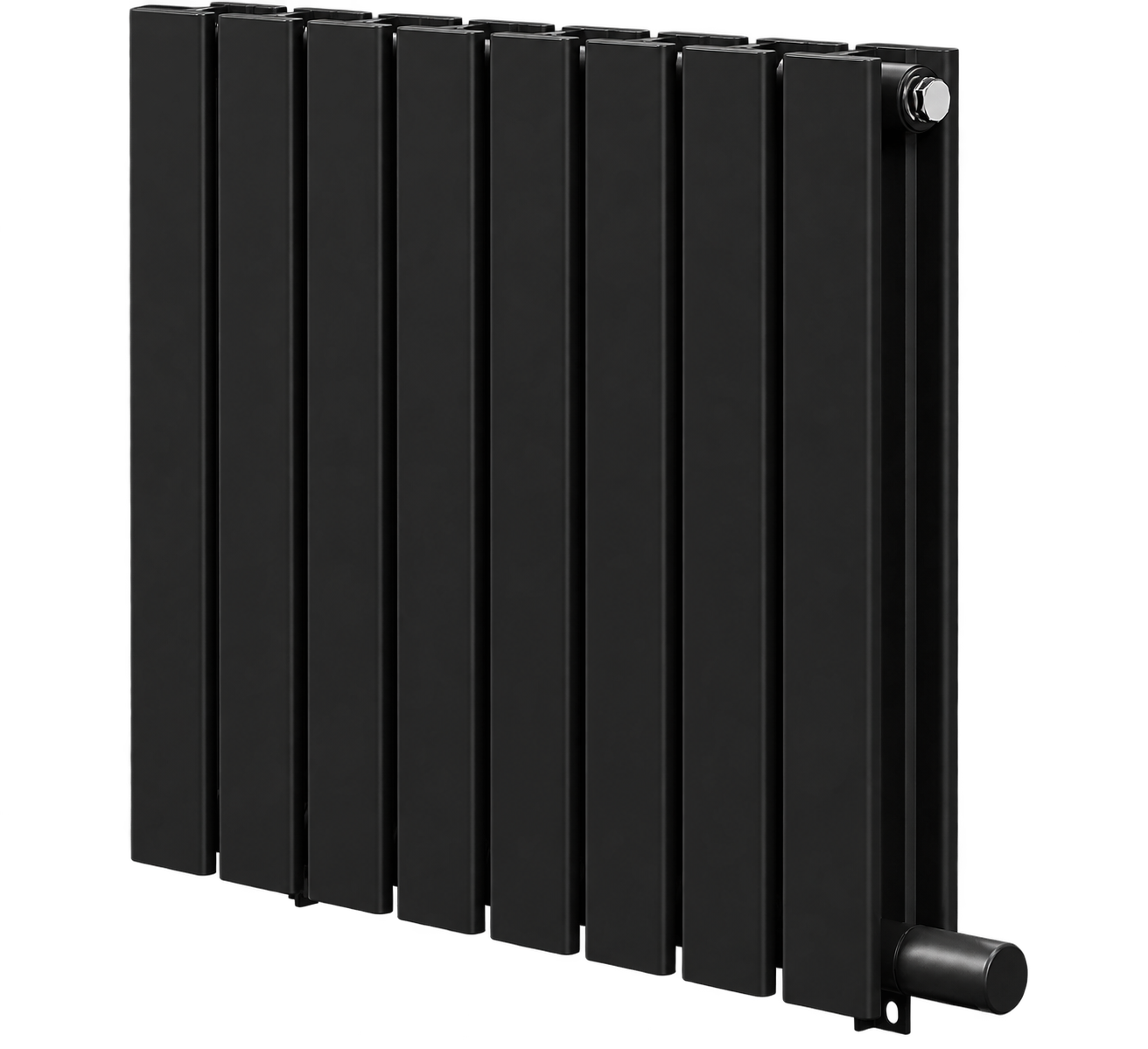
Hudson Colore Matt Black Horizontal Electric Double Panel Radiator
"If you want powerful, modern heating without having to connect to your main central heating system, an electric model is ideal," Brian says.
"The Hudson Colore is our top pick because it offers a sleek, matt black finish alongside an impressive heat output. It's perfect for room extensions, loft conversions, or ensuite bathrooms, plus, the double-panel setup delivers fantastic heat distribution while keeping your wall footprint minimal."
The best budget-friendly radiator
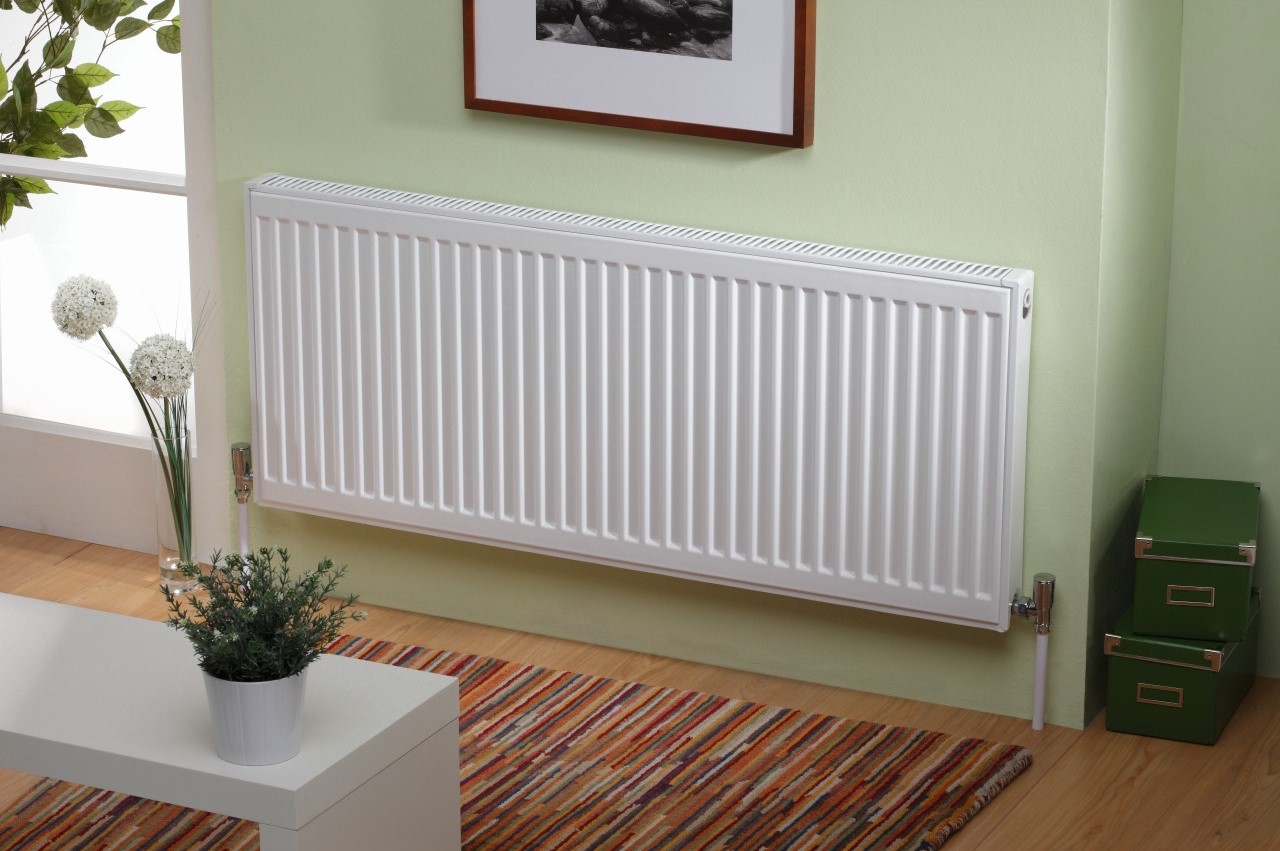
Kartell K-RAD Kompact Type 11 Single Convector Horizontal Radiator
"If you're looking to heat your home on a budget, this Kartell horizontal radiator is an excellent choice," says Brian. "The simple white design works well in just about any room, and the compact size makes it easy to fit into smaller spaces without sacrificing heat output."
"Despite its affordable price, this radiator is built to last with a durable metal construction and a glossy finish. It's a fantastic option for anyone who needs reliable warmth in a smaller room but doesn't want to spend a fortune."
The best large radiator

Kartell K-Flat Premium Kompact Type 11 Single Panel Horizontal Radiator
"For larger rooms that need more powerful heating, this model offers generous heating with a broader surface area," says Brian. "With its 600mm height and 1800mm length, it provides plenty of heat for bigger spaces like living rooms or open-plan areas. Plus, the sleek panel design gives it a modern look that works well in contemporary homes."
"What really shines with this radiator is how it combines impressive size with a minimalist design. It's wall-mounted with no visible pipes, so it keeps things clean and uncluttered. If you're looking for something that can handle a bigger room while still looking stylish, this is a top pick."
Best radiator for modern bathrooms
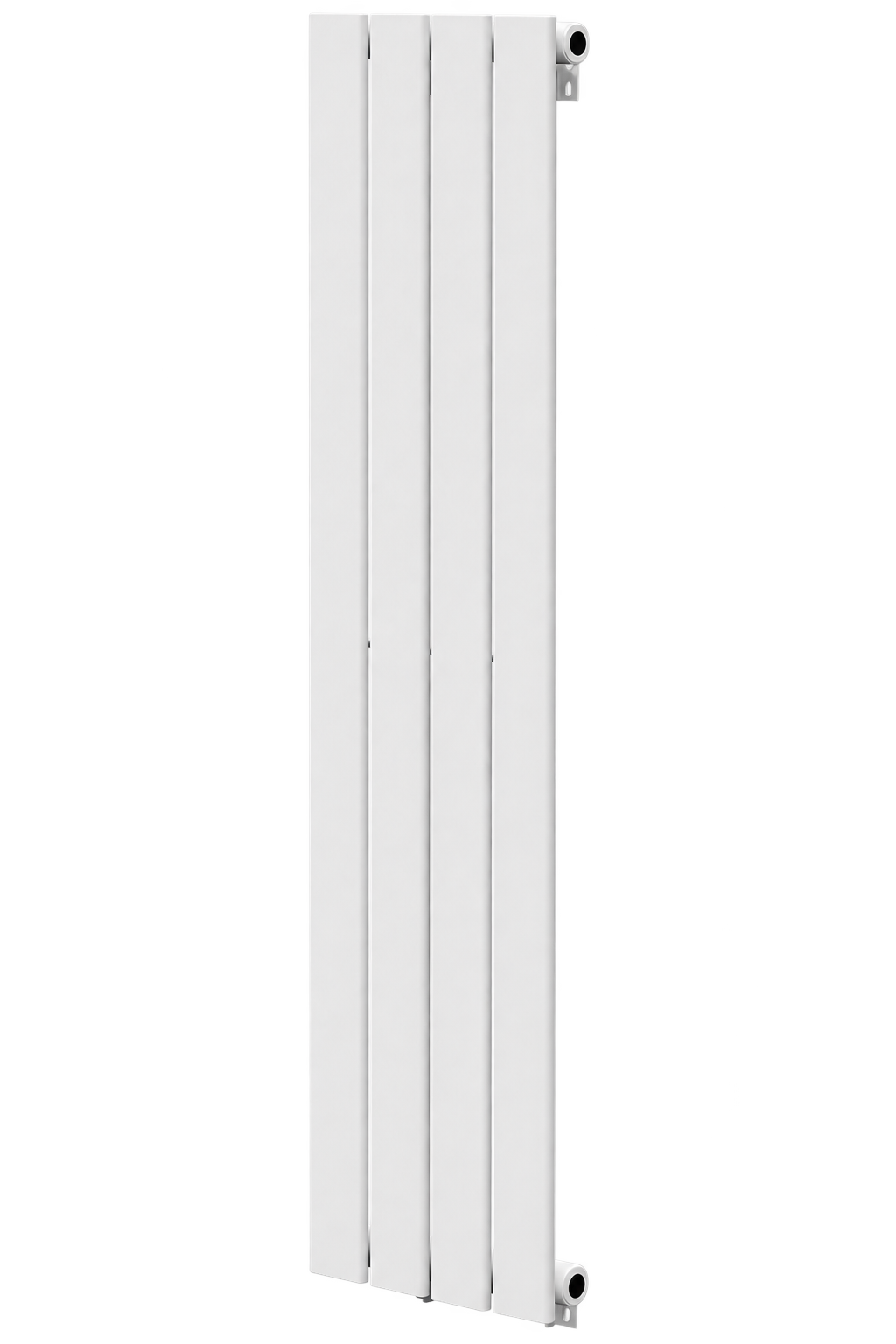
Hudson White 1200mm x 300mm Single Panel Radiator
"If you're looking for something sleek and modern for your bathroom, the Hudson White 1200mm x 300mm Single Panel Radiator is a fantastic option," Brian says. "The vertical design not only saves wall space but also adds a contemporary touch to any bathroom. You can even hang it horizontally, giving you more flexibility depending on the layout of your room."
"Its simple white colour also blends easily with your existing decor for a minimalistic look that keeps your home warm without getting in the way of your design.”
Frequently asked questions
Can you paint a radiator?
You can absolutely paint a radiator to touch up its appearance or change the colour to match your decor. However, when you're doing this, it's important to use heat-resistant radiator paint that can withstand high temperatures. While it may be tempting to use regular wall emulsion, this can melt when exposed to heat – leaving the radiator sticky to the touch.
Before painting your radiator, clean and sand down the surface to make sure the paint adheres properly. It's also best to do this while the radiator is off and cool to the touch to avoid any accidental injury.
Why is my radiator not heating up?
A cold radiator can be annoying, but there's usually a simple reason.
Brian explains: "If your radiator isn't heating up properly, the most likely cause is trapped air inside the system. When air gets into the radiator, it stops the water from circulating as it should, leaving parts of the radiator cold to the touch. This can usually be solved by bleeding the radiator, which releases the trapped air and allows the radiator to heat up fully again."
"If you've already tried bleeding the radiator and it hasn't helped, there may be an issue with the valves or the central heating system itself – which may require a plumber's help.”
If you need to drain the system to investigate further, read our guide on how to drain a radiator.
Can I install a new radiator by myself?
Whether you can fit a radiator yourself comes down to whether you're performing a straight swap or changing pipe locations.
"If you're replacing an existing radiator with a new one that has the same dimensions and pipe centres, it's a manageable DIY project if you're comfortable using basic tools," says Brian.
"However, if you need to drain the full heating system, alter floor pipework, or install a radiator in a brand-new location, it's always safest to call in a qualified plumber."
If you are attempting a like-for-like replacement, read our detailed blog on how to fit a radiator to guide you through the process.
Will a bigger radiator cost more money to run?
Not necessarily. While a larger radiator holds a slightly higher volume of water, it actually heats spaces more efficiently.
Brian explains: "It's a common misconception that a larger radiator will automatically increase your heating bills. In reality, a larger radiator has a greater surface area, meaning it can warm your room faster and operate more efficiently at lower water temperatures. As long as your radiator is correctly sized for your room's BTU requirements, it won't cost more to run."
Shop radiators for every room at Wholesale Domestic
Now that we've taken a look at the wide variety of radiators available, it's time to choose the perfect fit for your home. At Wholesale Domestic, we have a wide range of radiators to match every style – whether you're after something subtle and modern or a more traditional design.
If you're upgrading your entire heating system or just replacing a single unit, we also stock a great selection of accessories to help complete the look. From radiator brackets and valves to heated towel rails and pipe covers, we've got everything you need to create a warm, stylish space.
If you need further help picking the right heating setup, get in touch with our team today or visit our blog for further inspiration.