
 Track Order
 Wishlist
 Sign In

 FREE delivery over £500*
 Visit our showrooms
 Finance options available*
 Apply for a Trade Account
How to Drain a Radiator: A Step-By-Step Guide to Reliable Heating
10th Dec 2025
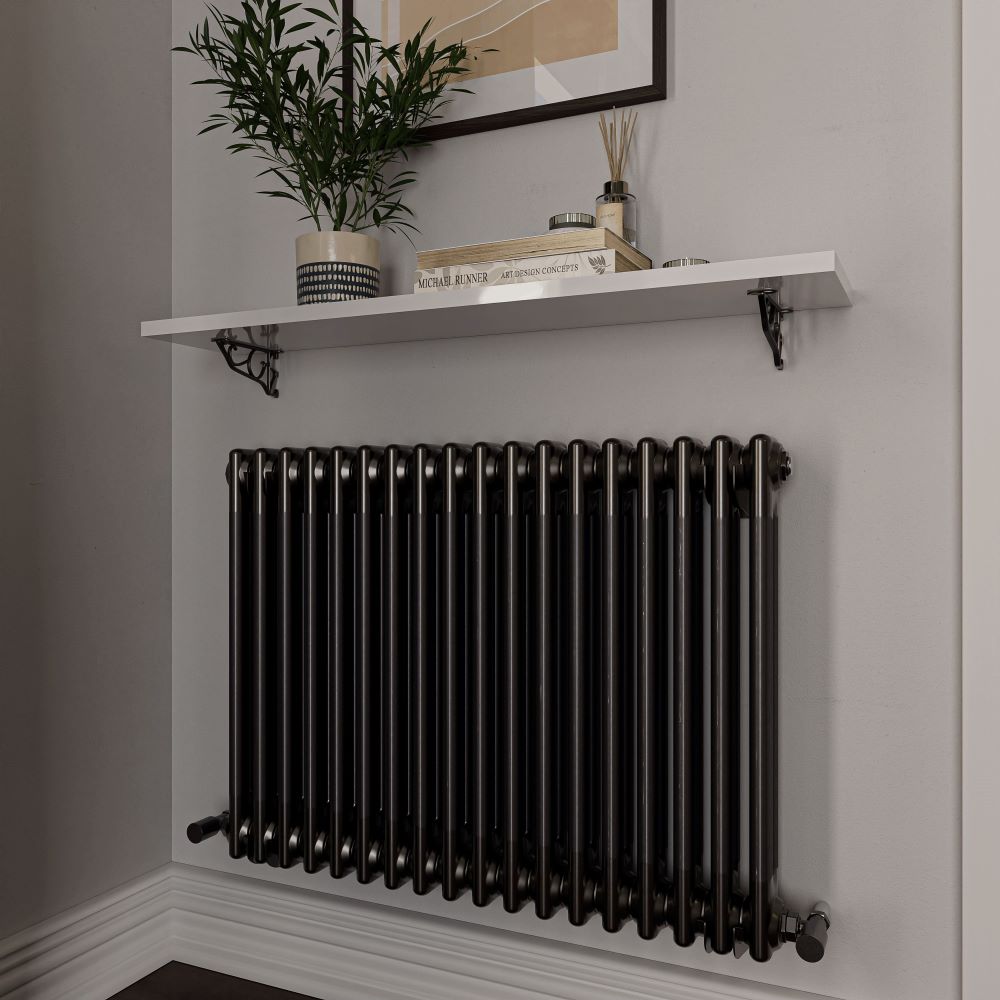
Draining your radiator once in a while can help keep your heating system working efficiently, and is a great way to find any potential issues before they turn into expensive problems to fix. But, if you've never done it before – or if you need to drain your entire system – knowing how can feel scary.
The good news is, it's much more straightforward than you think. We've put together easy-to-follow steps for draining a radiator or towel rail, along with expert tips from Brian Toward, CEO here at Wholesale Domestic, to help you tackle the job.
Contents:
- When to drain a radiator
- How to drain a radiator
- How to drain a radiator without draining the system
- How to drain a radiator system
- How to drain a towel radiator
- Frequently asked questions
When to drain a radiator
There are several reasons why you might need to drain your radiator or towel rail. Here are some of the most common:
- Radiators not heating up properly – If your radiator has cold patches, draining it can help remove any sludge (dirt and debris build-up) and air pockets that may be blocking water flow inside.
- Leaking radiators – A leaking radiator needs to be drained before it can be safely repaired or replaced.
- Replacing parts – If you need to replace any components, like radiator valves and heating elements, you'll need to drain it first.
- Removing the radiator – Whether you're decorating behind it or replacing it entirely, the radiator needs to be empty before being removed.
- General maintenance – Regular draining helps flush out debris that can build up over time, keeping your heating system running properly.
Draining your radiators is also a great way to winter-proof your home, making sure you can enjoy reliable heating throughout the colder months.
How to drain a radiator
When you're trying to heat a cold bathroom, the last thing you want is a radiator that only partially heats up.
The solution is often draining the radiator to remove any trapped air or blockages, but the thought of working with your central heating system can feel daunting. You might be wondering if this is really a job you should tackle yourself or whether it's best left to a professional plumber. Thankfully, this process is actually fairly simple, and with the right approach, it's completely manageable as a DIY task.
We've broken it down into clear, step-by-step instructions to help you get your radiators back up and running in no time.
What you’ll need
When draining a radiator or heated towel rail, make sure you have the following tools and materials ready:
- Radiator bleed key
- Adjustable spanner
- Pliers or grips
- Shallow buckets or trays
- Old towels or cloths
- Hosepipe and jubilee clip (if draining the entire system)
How to drain a radiator without draining the system
The most straightforward approach is to drain just the individual radiator without emptying your entire heating system. This method works well if you're trying to fix a radiator that's not heating up properly or you need to install a valve. It's much quicker than draining the whole system and comes with fewer risks of damaging your boiler.
Before you start, make sure your heating system is switched off, and your radiator has cooled down completely. Once your radiator is cool to the touch, here are five steps to drain it:
1. Isolate the thermostatic valve
The first step is to isolate the radiator from the rest of your heating system by closing off the valves. Start with the thermostatic radiator valve (TRV), which can most likely be found at one end of the radiator near the bottom and has numbers on it (usually 0-5) to control the temperature.
Turn the TRV clockwise until it reaches zero. This completely shuts off the valve, stopping water from flowing into the radiator from this side.
"The TRV is usually the easier valve to spot because it has temperature control numbers on it," Brian explains. "Make sure you turn it all the way to zero – if you only partially close it, you might still get some water coming through when you start draining, which makes everything much messier than it needs to be."
2. Shut the lockshield valve
With the TRV closed, you'll also need to shut off the lockshield valve on the opposite end of the radiator. This is usually covered by a plastic cap that has to be removed first – just pull or twist this off. Underneath, you'll find a spindle that controls the water flow.
"Using your adjustable spanner or grips, turn the spindle clockwise until it stops moving,” says Brian. “This means that the lockshield valve is fully closed. You'll need to count how many turns it takes to close the valve completely and make a note of this number. Each radiator in your system is balanced to work together, and you'll have to reopen the valve by the same amount later to make sure the radiator stays balanced with the rest of your system."
3. Open the radiator bleed valve
Now you need to release the pressure from inside the radiator. Locate the bleed valve, which is usually at one of the top corners of the radiator – it's a small, square-headed valve that needs a radiator bleed key to open.
Before you open the valve, make sure you’ve placed a container and towel down to catch any water and protect your floor or carpet from splashes.
Brian explains: "Put a cloth or a small container under the bleed valve to catch any water, then insert your bleed key into the slot and turn it anti-clockwise by half a turn. You should hear a hissing sound as the air inside starts to escape. You only need to relieve the pressure at this stage, so you don't need to let out much water – just enough until the hissing stops."
4. Drain the radiator
Once the pressure's been released, you can start draining the water out of the radiator. Make sure there's a bucket or tray under the lockshield valve at the bottom of the radiator. Then, using your adjustable spanner, carefully loosen the large nut that connects the lockshield valve to the radiator.
As you loosen the nut, water will start to leak out. If you need to speed up the draining process, you can gently pull the valve slightly further away from the radiator to create a small gap. Just be careful not to pull too hard, or you'll disconnect it completely and end up with water everywhere.
You'll notice the water flow slowing down after a while. To fix this, go back to the bleed valve at the top and open it slightly more with your radiator key. This lets air in to replace the lost water, and the pressure that builds up will help water flow from the bottom again.
"Keep an eye on your bucket and have a spare one ready," Brian suggests. "Radiators hold more water than you'd think and this can range widely - from as little as 1 litre for small units, up to 10+ litres for large or multi-panel radiators. You might need to swap buckets partway through. And if the water coming out is really dark and sludgy, that's actually a good sign that draining it was needed – all that muck was sitting in there, stopping the hot water from flowing properly."
5. Drain the other side
To drain the remaining water from the other side of the radiator, you'll need to repeat the process at the TRV end. Loosen the nut connecting the valve to the radiator and let the water drain into your bucket, using the bleed valve again to introduce air if the flow slows down.
Once both sides are drained, you can safely carry out any maintenance or repairs you need to do. If you're taking your existing model off the wall to fit a new radiator, keep in mind that some water is usually left at the bottom. To remove this, carefully tilt the radiator up from one end and let any remaining water run out into your bucket.
"If your radiator is quite heavy or you're working on your own, ask someone to help you lift it off the wall," Brian warns. "A radiator full of residual water can be surprisingly heavy, and the last thing you want is to drop it and damage your floor or, worse, injure yourself. It's a two-person job for anything bigger than a small towel rail."
If you're consistently struggling with cold, blocked radiators, it might be time for an upgrade. Our radiator buying guide makes finding the perfect model for your home a breeze.
How to drain a radiator system
Occasionally, you'll need to drain your entire heating system rather than just a single radiator. This might be necessary if your boiler needs to be replaced, you've noticed multiple leaks in your radiator network, or you're carrying out work on your central heating.
While this is a more involved process than draining a single radiator, it's still manageable if you follow these eight steps carefully.
1. Switch off your heating system
Before you do anything else, switch off your boiler completely using the main power switch. Then, wait until all your radiators and pipes have cooled completely.
If you have a solid fuel boiler, you'll need to extinguish the fire safely and wait until the boiler is completely cold, which can take several hours. After a while, give the pipes a careful touch to make sure they feel cool.
2. Turn off the water supply
Next, you need to stop any new water from entering your heating system while you drain it. How to do this depends on which type of boiler you have:
- Combi boiler – If you have a combi boiler, the hot water comes directly from the mains, so you'll need to close the stopcock. This is usually under your kitchen sink, but it might also be in a utility cupboard or near your front door. Turn it clockwise until it stops.
- Hot water cylinder boiler – If you have a boiler with a hot water cylinder, look for the pipe running from your cold water storage cistern (which is usually in the loft) to the cylinder. There should be a valve on this pipe which you can close by turning clockwise.
"Double check that you've definitely closed the right valve. If you're not sure which valve controls your heating system, turn on a tap and see if water still comes out – if it does, you've closed the wrong one," says Brian.
3. Attach your hosepipe
Now you need to find the radiator in your home that has a drain-off valve. This can usually be found on the radiator at the lowest point in your house, with the valve sticking out of the radiator at about a 45-degree angle from the bottom left or right side.
Take your hosepipe and secure it around the drain-off valve using a jubilee clip. The other end of the hosepipe should either go into a large bucket or run outside to a drain – but don't let the water spill out onto plants or grass, as your radiator system likely contains chemicals that can harm them.
Brian explains: "Tighten the jubilee clip properly using a flat-head screwdriver; a loose connection could end up leaking everywhere and make a mess of your floor. Give the hose a gentle tug once it's attached – if it comes off easily, it needs tightening more. And if you're draining into buckets, make sure you've got plenty of them lined up and ready because you could be looking at 100 litres or more depending on the size of your system."
4. Bleed your radiators
Before opening the drain valve, walk around your home and ensure all your radiator valves are in the open position. Then, return to the radiator with the hosepipe attached and open the drain-off valve by turning it anti-clockwise. Water will then start flowing out through the hosepipe.
Brian says: "To speed up the process, bleed your radiators one at a time – starting with the ones upstairs. Insert your radiator key into each bleed valve and open it up, and you'll hear air being sucked into the system. This builds up pressure in the radiator, pushing the water out faster."
"This is where you'll really see the benefit of draining your system. That first bit of water that comes out can be absolutely filthy – thick, dark, and full of sludge. That's all the gunk that's been building up and impacting your heating efficiency. Once it starts running clearer, you know you're getting somewhere," he adds.
5. Drain the system
Give the system enough time to drain completely. Depending on how large your heating system is, this can take anywhere from 30 minutes to an hour or more. You'll know it's finished when the water stops flowing out of the hosepipe, and you can't hear any more water moving through the pipes.
6. Close the valves
Once the system is fully drained, go back around and tighten up all the bleed valves you opened earlier. Make sure each one is fully closed to avoid any leaks. Then, close the drain-off valve where your hosepipe is attached and carefully remove the hosepipe, but keep your bucket and towels handy to mop up any residual drips.
"Double-check every bleed valve is closed before you start refilling your heating system," Brian warns. "It's easy to forget one, and when you turn the water back on, you'll have water spraying out all over your bedroom or living room. I always do a quick walk around and give each one a gentle turn just to make sure."
7. Turn on the water supply
Now you can turn the water supply back on. Go back to whichever valve you closed earlier (either the mains stopcock for a combi boiler, or the valve on the pipe to your hot water cylinder) and turn it anti-clockwise to open it back up.
8. Refill the boiler
If you have a combi boiler, go to the filling loop (usually underneath the boiler) and slowly open the valves to let water back into the system. Watch the pressure gauge on your boiler – you want it to reach between 1 and 1.5 bar while the system is cold. Once it reaches the correct pressure, close the filling loop valves.
If you have a classic system boiler, the water cylinder should refill automatically once you've opened the same valve you closed earlier.
Once your system has refilled, switch your boiler back on. Go around and check that all your radiators are heating up properly. You'll likely need to bleed each radiator again to remove any air that's entered the system during refilling. Also, don't forget to check underneath each radiator for any leaks from the valve connections – if you spot any drips, tighten the nuts slightly.
How to drain a towel radiator
Sometimes, you might also notice that your heated towel rail needs to be drained. Regular maintenance helps remove any blockages from the pipes and keeps your rail working properly, meaning you can enjoy warm, fluffy towels for years to come.
The process is very similar to draining a standard radiator, but here are the five key steps:
1. Turn off the heating system
Switch off your heating system completely and wait for your towel radiator to cool down fully. Towel rails can hold onto their heat for quite a while, so be patient and take care when checking that the rail has fully cooled. If you're draining an electric towel rail, make sure this is turned off at the wall.
2. Close the valves
Find the valves at the bottom of your towel radiator – there will be one on each side – and close both by turning them clockwise. If your towel rail has a lockshield valve (covered by a cap), remember to count the number of turns as you close it so you can reopen it to the same position later.
"Towel rails can be a bit trickier than regular radiators because the valves are sometimes tucked away in tight corners," Brian notes. "Make sure you've got a good grip with your spanner and work carefully – these fittings can be delicate, especially on chrome-finished rails where you don't want to scratch the surface."
3. Drain the towel rail
Place a shallow tray or bucket under one of the valves. Then, using your adjustable spanner, carefully loosen the nut that connects the valve to the towel rail. Water will start to drip out. Open the bleed valve at the top of the towel rail to allow air in and speed up the draining process.
Once one side is drained, repeat the process on the other side. Towel rails generally hold less water than standard radiators, so this shouldn't take too long.
"Look out for that first bit of water. If it's really murky, your towel rail probably needed to be drained and could've been at risk of a total blockage. Because towel rails usually have narrower pipes than radiators, they can get blocked with sludge more easily, which is why regular maintenance is recommended," says Brian.
4. Open the valves
Once you've completed any maintenance or repairs you needed to do, it's time to reconnect everything. Tighten the valve nuts back up, making sure they're secure but not over-tightened (which could damage the fittings by putting too much tension on them).
5. Refill the towel radiator
Open both valves, remembering to put the lockshield valve back to its original position using your grips or adjustable spanner and the number of turns you made a note of earlier. Switch your heating system back on, and the towel radiator should start to refill automatically.
Once it's filled with water, bleed the towel rail again to remove any trapped air. Open the bleed valve at the top and let out any air until water starts to come through, then close it up again. Check underneath for any leaks and tighten connections if needed.
Frequently asked questions
How long does it take to drain a radiator?
Draining a single radiator typically takes around 20-30 minutes, depending on the size of the radiator and how quickly you work. Larger radiators naturally take longer because they hold more water.
If you're draining your entire heating system, you're looking at a much longer job – usually between 1-2 hours for the draining process alone. Plus, additional time for refilling and bleeding all the radiators afterwards.
Can I drain a radiator without turning off the heating?
While it can be inconvenient having to turn off the entire heating system to empty a single radiator, you should never attempt to drain a radiator while your heating system is still running. The water inside your radiators when the heating is on can be extremely hot (often around 70-80°C), which can cause serious burns.
Always turn off your heating system and wait for the radiators to cool completely before starting any draining work.
What should I do with the water from my radiators?
The water removed from your radiators should ideally be poured directly into the drain – either by running a hosepipe to an outside drain, or by collecting it in buckets and pouring it down a toilet or sink.
You should avoid pouring it onto plants or grass, as it typically contains chemicals designed to prevent corrosion and sludge buildup in your heating system. These can be harmful to plants and the environment.
Shop radiators at Wholesale Domestic
Now that you know how to drain a radiator properly, you're well-equipped to keep your heating system in good condition or upgrade to newer, more efficient models.
At Wholesale Domestic, we stock a wide range of radiators and heated towel rails to suit every home and budget. Whether you're looking for sleek panel radiators, classic column radiators, or convenient electric towel rails for your bathroom, we've got everything you need.
Or, for more practical how-to guides and bathroom inspiration, head over to our blog.