
 Track Order
 Wishlist
 Sign In

 FREE delivery over £500*
 Visit our showrooms
 Finance options available*
 Apply for a Trade Account
Shower Room Ideas: How to Create a Wet Room in Your Bathroom
22nd Jan 2026
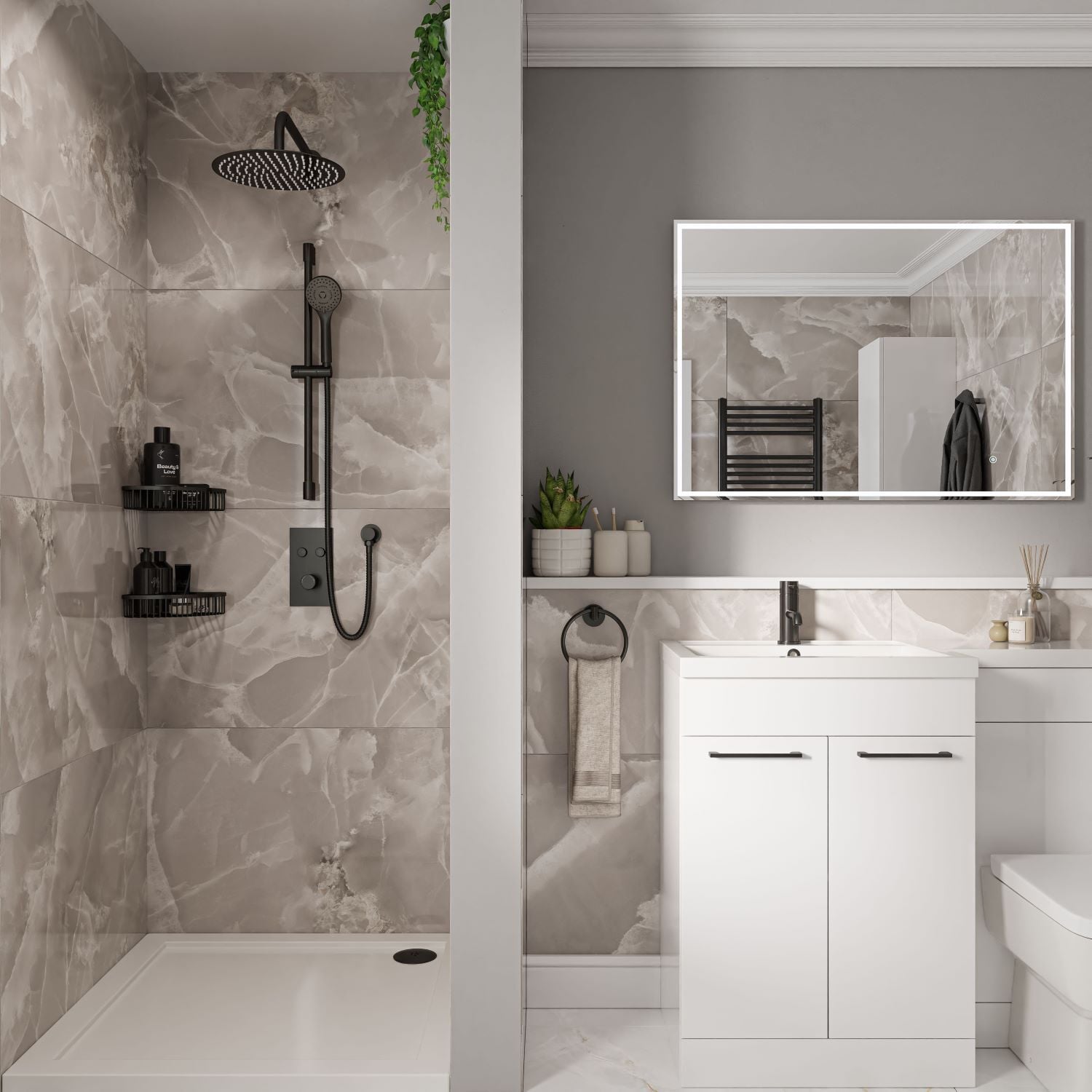
A shower room brings a luxurious, hotel-inspired feel to your home, transforming daily tasks like washing your hair into a more spa-like experience. Whether you're dreaming of a wet room, a spacious walk-in shower, or maximising a compact space, designing a shower room offers numerous opportunities to create something special.
However, shower room design can be challenging, especially if you're working with a smaller bathroom. We'll walk you through the entire process, from planning your layout to choosing the right fixtures, with expert tips and advice from Brian Toward, CEO here at Wholesale Domestic.
Contents:
- What is a shower room?
- 6 shower room ideas
- How to create a wet room
- How to create a walk-in shower room
- How to create a small shower room
What is a shower room?
A shower room is a dedicated space for showering. It’s a bathroom that centres around the shower rather than a bathtub.
This shower can be fitted inside a shower enclosure that keeps it separate from the rest of the room, creating a defined space for washing. However, it could also be mounted directly onto the wall with a minimal glass panel. Or no separation at all, transforming the entire room into a walk-in enclosure where the shower area flows seamlessly into the rest of the bathroom.
6 shower room ideas
The key to creating a successful shower room is taking the time to think about every aspect of the space. Small details can make a big difference to how the finished room looks and feels.
Here are our top six smart shower room ideas:
1. Create an open-plan layout
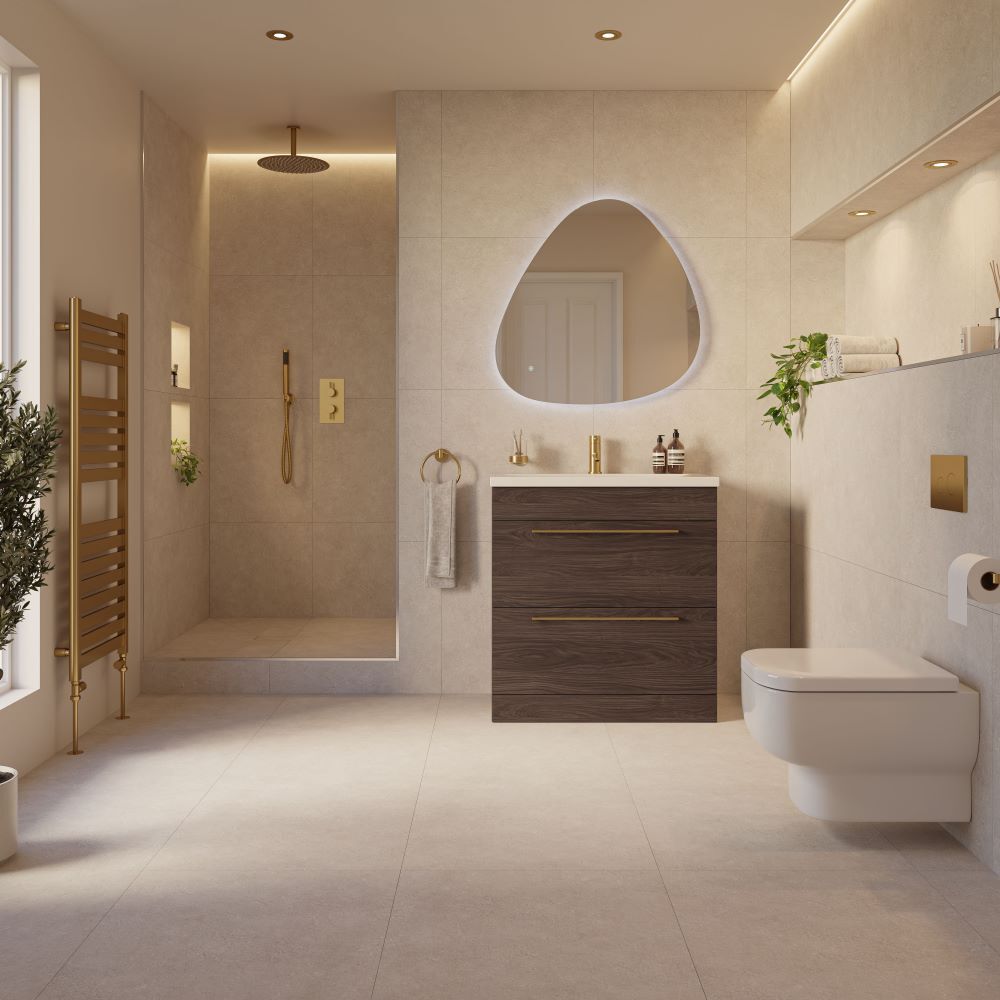
One of the main benefits of a shower room is the ability to really open up your bathroom and make it feel spacious. The key to getting this right is thinking about where your furniture will go.
Many of us are guilty of dividing our bathroom into ‘zones’, i.e. the ‘hand-washing zone’, the ‘shower zone’, etc. While this can make it easier to manage deep-cleaning tasks by working on one area at a time, in a shower room, you want as few boundaries as possible.
One great way to still create a sense of zoning without using partitions and screens is playing around with different floor heights, such as the shower set above the floor in an alcove.
2. Transform a corner into a walk-in shower
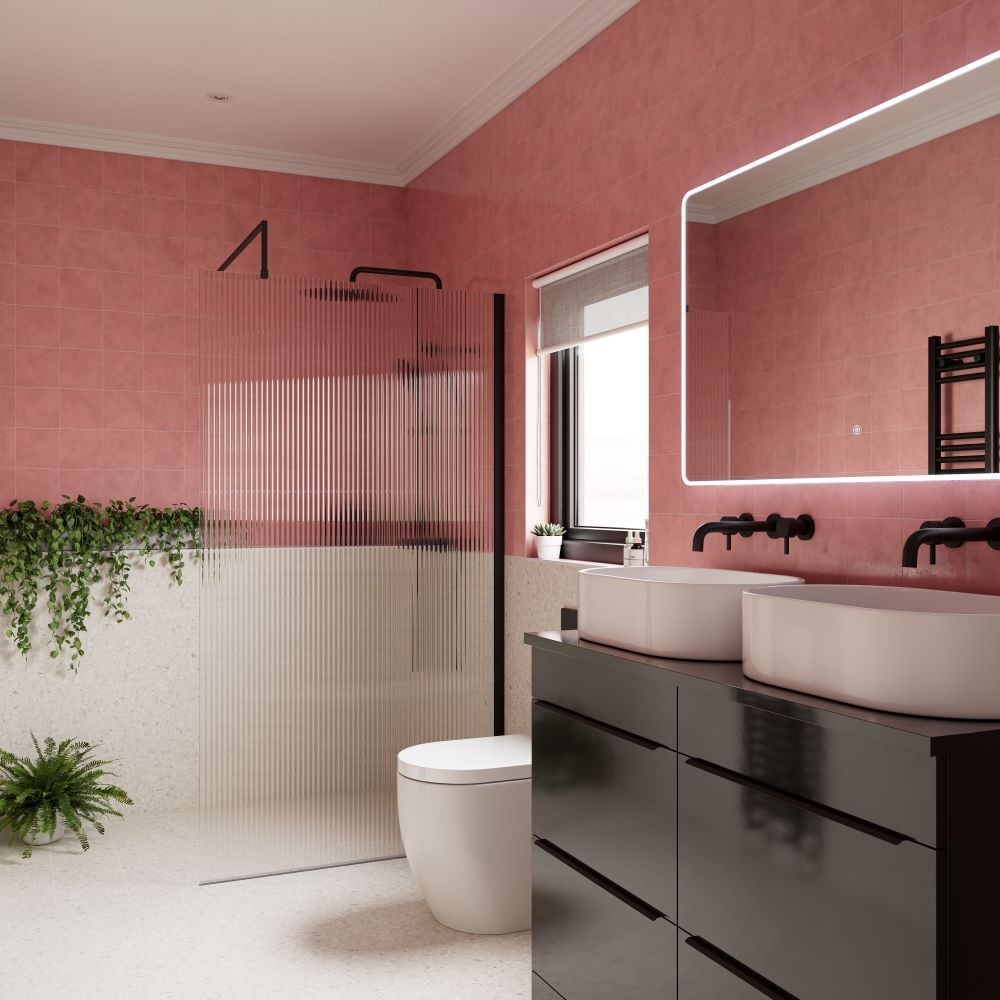
Corners are one of the most unused areas in any bathroom, but they can actually be a great asset when you’re creating a shower room – especially in a smaller space.
To achieve the open, luxury feel of a wet room without the expense of waterproofing the entire floor, you might want to think about combining a frameless enclosure with a low-profile, walk-in shower tray. This setup lets you tile just the internal corner, protecting your walls while giving you a dedicated splash zone.
By using a tray that sits almost flush with the floor, you maintain that seamless, step-free aesthetic without needing any extensive structural work done.
Brian says: "A lot of people think a shower room has to be a fully tiled wet room, but you can get the exact same look for less with a slimline tray. It clearly defines the shower area and saves you the hassle of tiling the whole room. Pair it with a simple glass flipper panel or minimalist enclosure, and you've got a spacious, modern walk-in shower that fits perfectly in an unused corner."
3. Choose light colours to make the space feel bigger
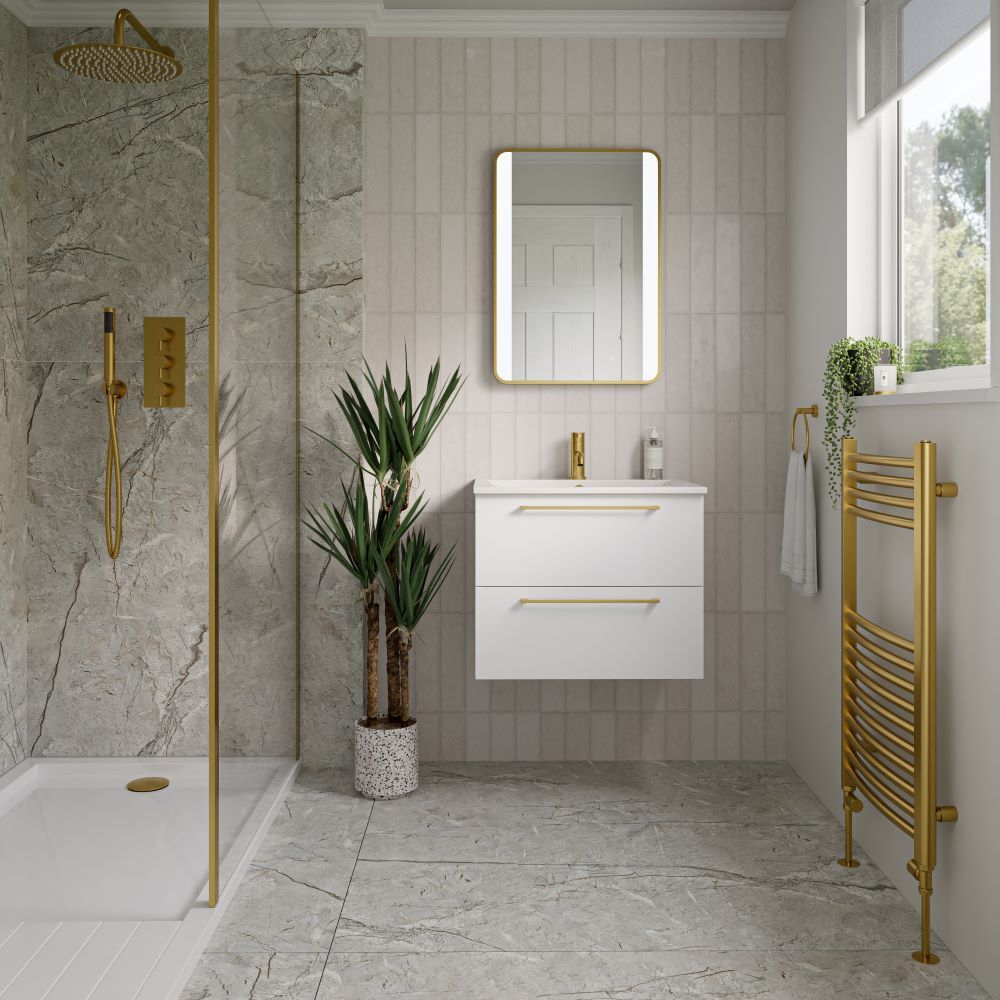
The colours you choose for your room can give the illusion of more space or make it feel cosier.
Beiges, creams, soft greys, and whites are excellent choices that make your shower room feel bright, clean, and spacious. Combined with a mirror, this reflects light, opening up the space and making it feel much bigger.
If you love darker colours, use them strategically – on the floor rather than walls, or as accent features rather than covering large areas.
"Your colour scheme goes beyond just tiles and wall colours. Think about your bathroom accessories too: shower mats, soap dispensers, toothbrush holders, all those little details. Keep them in lighter, neutral tones to maintain that airy feel right across your space," Brian notes.
4. Go all-natural with stone and wood finishes
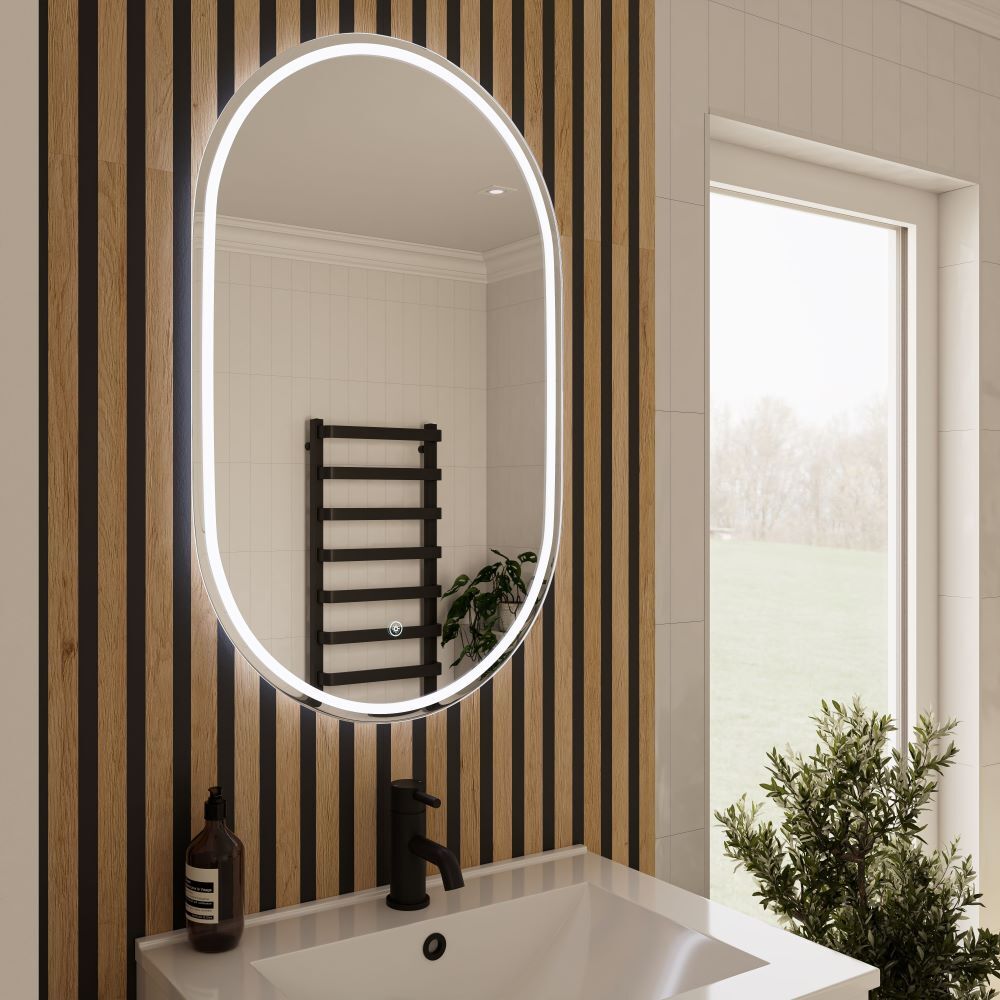
Bringing natural textures into your design is one of the easiest ways to stop a shower room feeling cold or clinical. By introducing features that mimic the outdoors, you can instantly soften the space and create a calming, spa-like atmosphere.
While real wood can be risky in a high-moisture environment like a wet room, you don’t have to sacrifice the aesthetic. Wood-effect tiles and vinyl flooring offer the warmth and grain of real timber but are completely waterproof and won't warp when wet. Pair them with a slate-finish shower tray to add depth to the room.
These natural textures work beautifully with green tones, whether that’s in the tiles or on the walls. For more inspiration, see our green bathroom ideas and discover how to bring the look together.
"A lot of people are scared to use wood textures in a wet room because of the water, but modern alternatives mean you don't have to miss out on that warm, earthy look," Brian says.
"Wood-effect porcelain tiles give you the grain and texture of timber but are completely waterproof, making them ideal for shower floors or creating a panelled-wall effect. If you pair that with a stone basin or furniture in a natural oak finish, you create a really grounded, earthy feel that helps you relax the moment you step inside."
5. Mix up your hardware
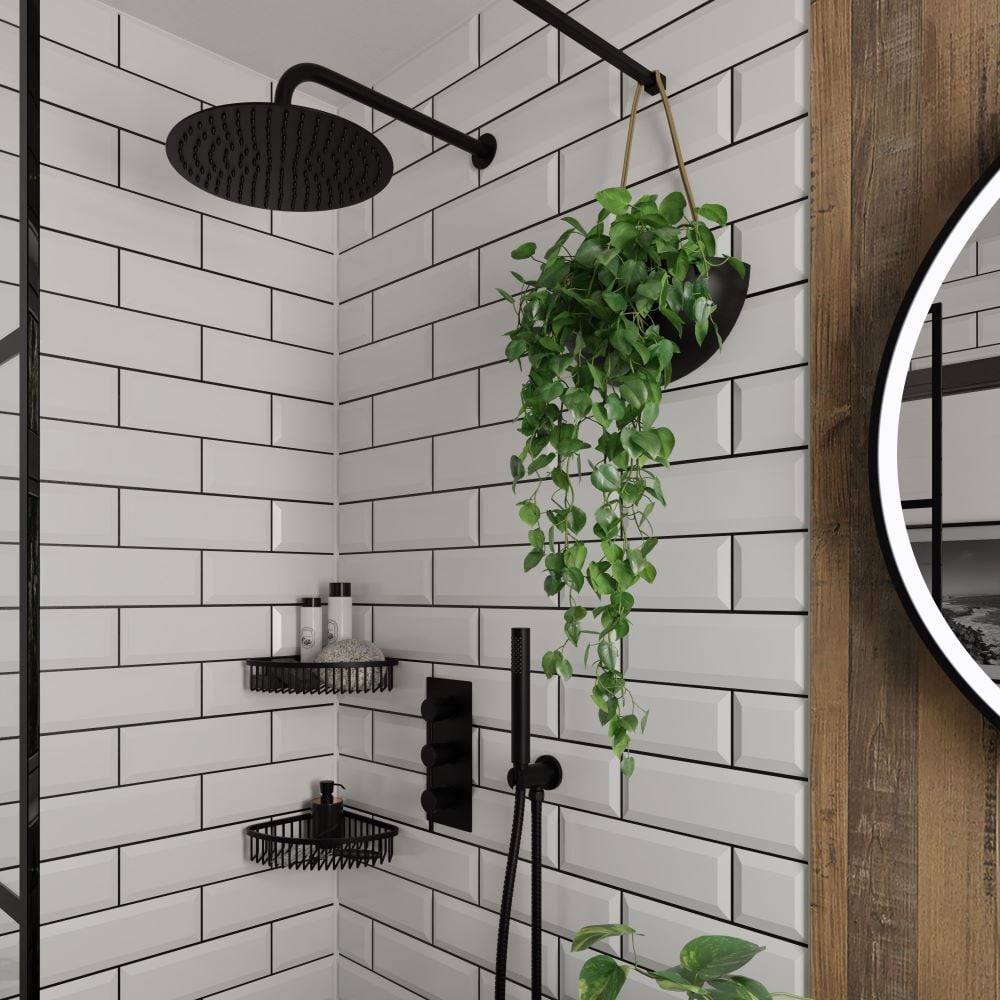
Gone are the days when chrome was your only option. Your choice of hardware – from shower heads and valves to tap handles and waste covers – can completely change the personality of your shower room.
- Matte black fixtures – These are perfect for creating a modern, industrial look, especially when paired with a black grid shower screen.
- Brushed brass or gold – This creates a softer, more luxurious feel that works well against white or dark blue marble-effect tiles.
- Gunmetal – Offering a deeper, moodier alternative to chrome, this finish is perfect for modern shower rooms where you don’t want to commit to black.
- Chrome – A choice that works with almost any colour scheme.
Brian suggests: "Don't underestimate the impact of your hardware. Swapping out standard chrome for brushed brass or matte black instantly modernises a space. It acts like jewellery for the bathroom, drawing the eye and adding a layer of style that standard fittings can't match."
"Just remember to carry the finish through to the smaller details, like your bottle traps and robe hooks, to tie the whole look together."
6. Plan out your lighting
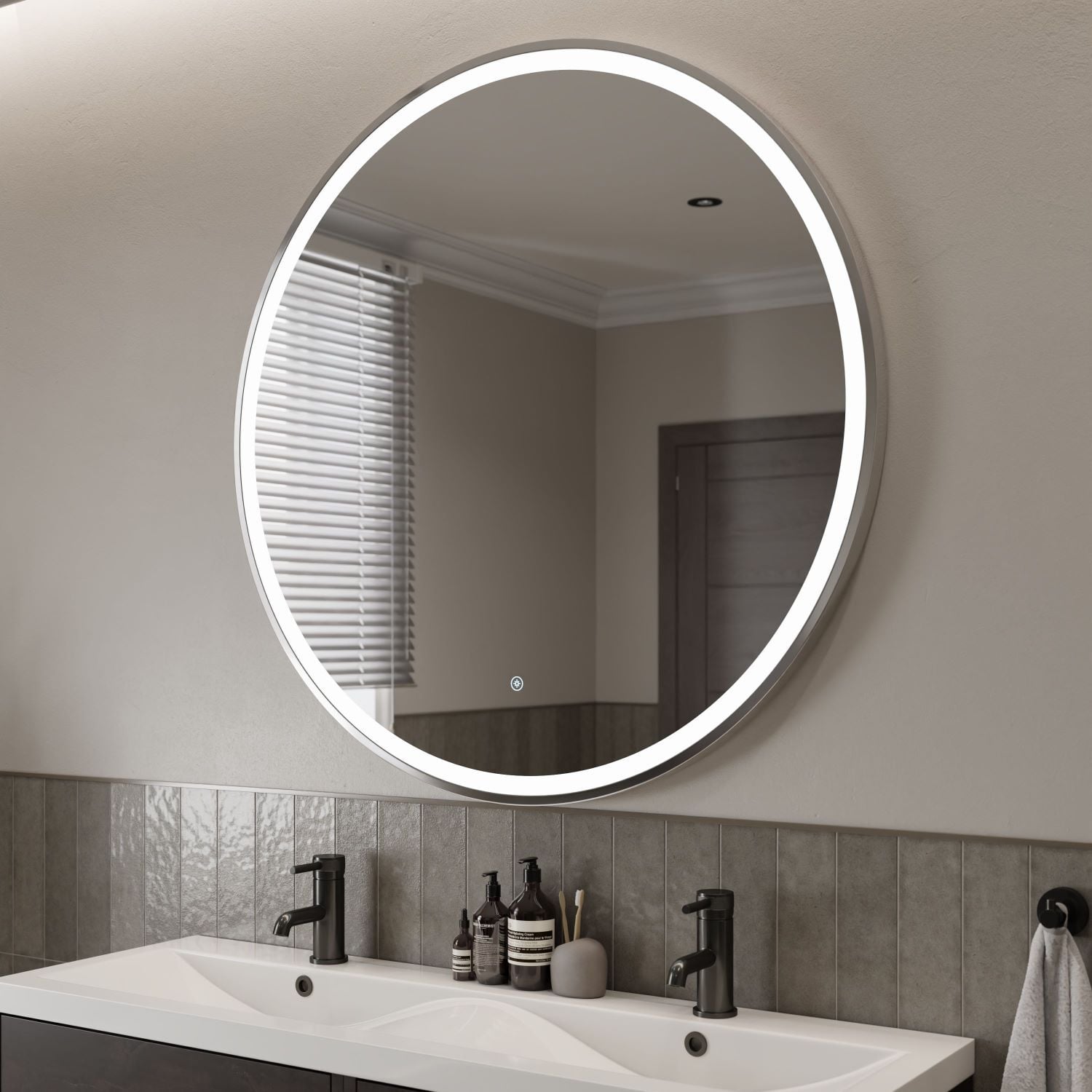
Lighting can transform a shower room; it plays a huge role in creating your desired atmosphere. Avoid relying on one harsh overhead light. Instead, layer your lighting with different options for different purposes.
"Opt for different lighting styles for different tasks," Brian explains. "You'll need bright light for things like shaving or doing your makeup, and softer, warmer options for relaxing evening showers. A mirror cabinet with LEDs is great for letting you see clearly around your sink area, while spotlights with a dimmer function can create ambience."
How to create a wet room
A wet room is an excellent way to optimise your bathroom's floor plan, making the entire room a shower enclosure. The open-plan design helps the room feel larger, creating a spacious, home-spa experience.
If you want to design a wet room but you don't know how, there are a few things you'll need to plan for:
1. Plan your layout
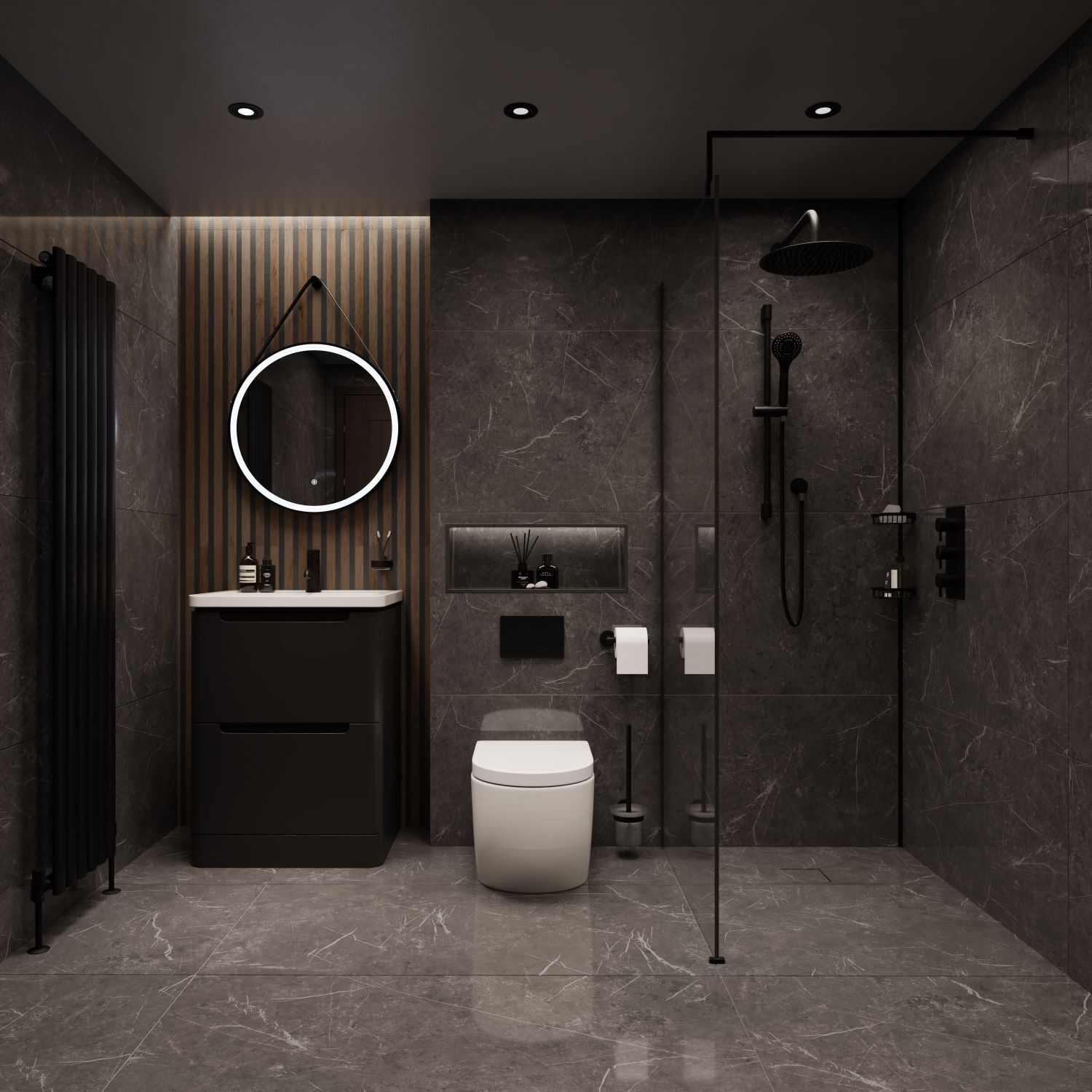
Creating a wet room is a big project with multiple steps, from waterproofing to drainage and choosing the right fixtures, and rushing into it without proper planning can lead to costly mistakes.
Start by assessing your space and asking the following questions: Where will the main shower area be? Do you also need space for a toilet and basin, or is this room solely for showering?
Take the time to think about where your waste pipes will run and whether you'll need underfloor heating to keep the space comfortable. Create a detailed sketch of your layout and list all the necessary items before starting any work.
"I always tell people to spend more time on the planning stage than they think they need to,” says Briain “Measure everything twice, work out where your drainage will go, and think about how water will flow across the floor.”
“If you're not confident tackling the technical side yourself – especially when it comes to waterproofing and drainage – don't be scared to bring in a professional. A poorly installed wet room can cause water damage, and fixing that later will cost more than hiring someone to do it right the first time.”
2. Install a sloped floor and drainage
One of the most important parts of any wet room is the flooring. Unlike standard bathrooms, where the water is contained inside a shower tray, a wet room needs to direct water towards a drainage hole in the floor. This requires a gentle slope – usually a 1cm incline or decline per metre of flooring – leading to your waste outlet.
"Getting the slope right is crucial," Brian warns. "It needs to be enough to drain water efficiently but subtle enough that you don't notice it when you're walking around. If you get it wrong, you'll have puddles sitting on your floor after every shower, which can lead to water damage over time and even cause mould to grow."
3. Tile your surfaces
Tiling is where your wet room comes to life. The floor and walls need to be fully tiled or finished with waterproof vinyl to protect them from constant exposure to splashes and humidity. This is your opportunity to create your dream design while keeping your surfaces safe.
If you're tiling a large area, you can save money by using more affordable vinyl tiles for the majority of the space and investing in premium designs for accent areas or feature walls. This gives your space a high-end look without blowing your budget.
When choosing tiles, prioritise durability and slip resistance, particularly for floor tiles. It's important to check the 'R' rating (ramp test rating), which measures slip resistance on a scale from R1 to R13. For a wet room floor where water is guaranteed, you’ll ideally want a tile with a rating of R11 or higher to make sure it's safe to walk on, even when soapy and wet.
Porcelain and ceramic tiles work well in wet rooms, as do larger vinyl tiles that make cleaning a breeze.
Brian adds: "Smaller tiles mean more grout lines, and grout can be a pain to keep clean in a wet room where everything's constantly damp. Larger tiles or even waterproof vinyl can be easier to maintain. And if you like the look of wood, go for wood-effect tiles – they give you the timber aesthetic without any of the water damage worries."
For more advice on choosing the right tiles, take a look at our tile buying guide.
4. Choose your heating setup
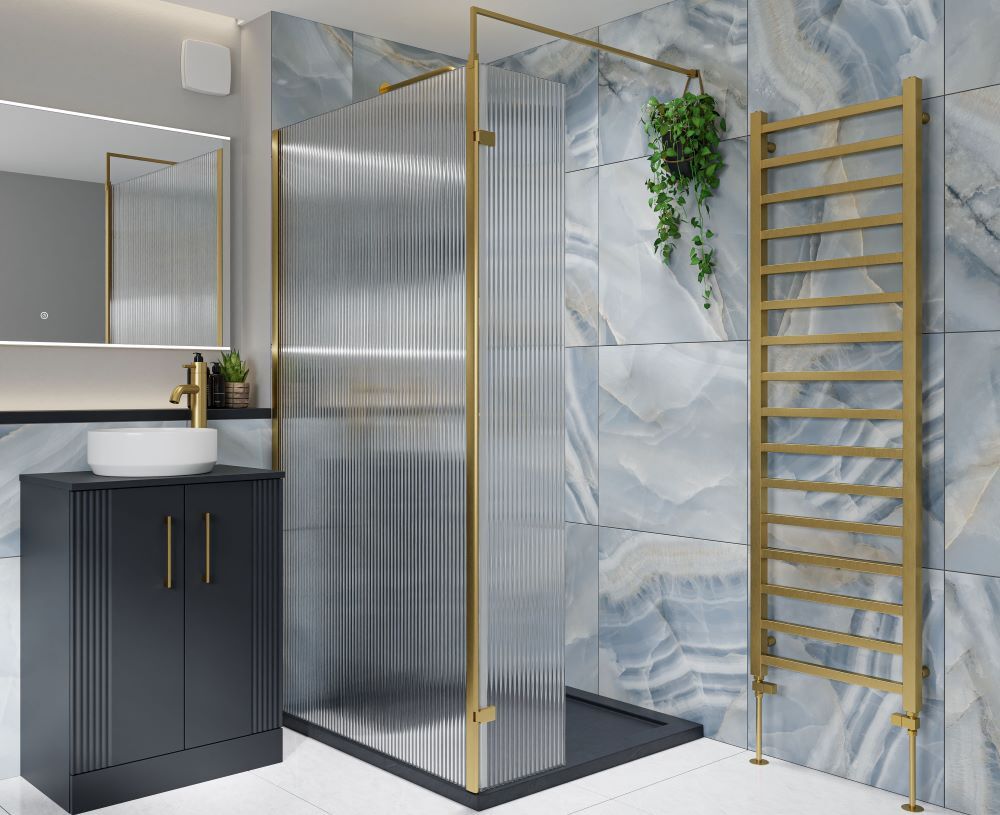
Any open-plan spaces can feel cold during the winter months, especially with all that tiling and the lack of enclosed spaces to trap warmth. Your heating needs to be able to warm this space while also handling high moisture levels without rusting.
"I'm a big fan of heated towel rails in wet rooms," says Brian. "They serve two purposes – keeping the room warm and giving you toasty towels after your shower. Look for chrome or stainless steel models that won't rust. And, if you've got room in your budget, underfloor heating is another brilliant choice. There's nothing quite like stepping out of the shower onto a warm, cosy floor."
Our radiator buying guide is always on hand to help you find the perfect heating.
5. Fit an extractor fan
Ventilation is non-negotiable in a wet room. Without proper ventilation, you're creating the perfect environment for mould to thrive, which can cause health problems and damage your finishes.
With so much moisture in the air, you'll need a way to remove dampness and prevent condensation from forming. An extractor fan is vital, and it needs to be powerful enough to handle the amount of humidity a wet room generates.
Brian explains: "A wet room produces a lot more steam than a standard shower enclosure because there's no glass keeping it contained. Run your extractor fan during every shower and for at least 20 minutes afterwards. Some slightly more expensive fans come with built-in humidity sensors that switch them on automatically, which is worth the extra investment if you can afford it."
Check out our guide on removing bathroom mould for expert tips if it does appear.
How to create a walk-in shower room
A walk-in shower room uses a shower enclosure to separate your showering area from the rest of the bathroom, but unlike traditional shower cubicles, there's no lip or raised tray to step over. This creates an open, spacious feel that's easier to use.
Here's how to do it:
1. Choose your shower enclosure
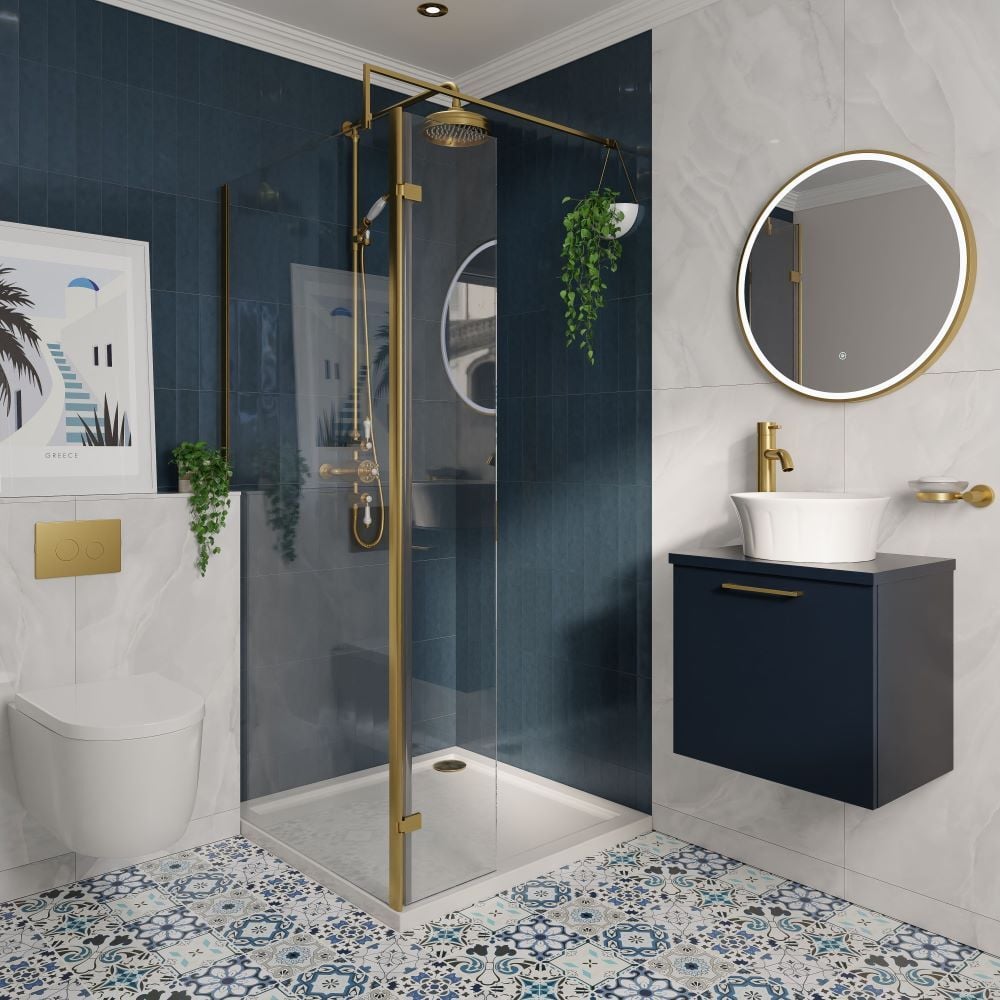
Your shower enclosure is the focal point of a walk-in shower room, so picking the right one matters.
Measure your space carefully, starting at the wall and working your way out into the room. Remember to take note of where any furniture will be installed to ensure nothing overlaps – this will determine what size shower tray or screen will fit comfortably.
Walk-in enclosures come in various styles, ranging from classic chrome frames to modern black grid glass and even fluted patterns for added privacy.
"If you're working with a smaller bathroom, frameless shower enclosures are great for making a room feel bigger. Without all the extra framing, the glass almost disappears, and your bathroom feels much more open. Alternatively, you might want to think about a walk-in enclosure that's open on one side rather than fully enclosed – it's easier to access and doesn't box off parts of the room," Brian adds.
For more advice, see our shower enclosure buying guide.
2. Think about your shower head
Your shower head can make or break the whole experience, and there's plenty to choose from, whether you want a rainfall shower head that gives you a spa-like cascade of water or a sleek, ceiling-mounted design that keeps the head out of your way.
Think about whether you want a fixed shower head, a handset, or even a combination of both. And don't forget about thermostatic shower valves – they maintain a consistent water temperature so you can set up your shower just the way you like it and let the valves do all the work.
3. Install added features
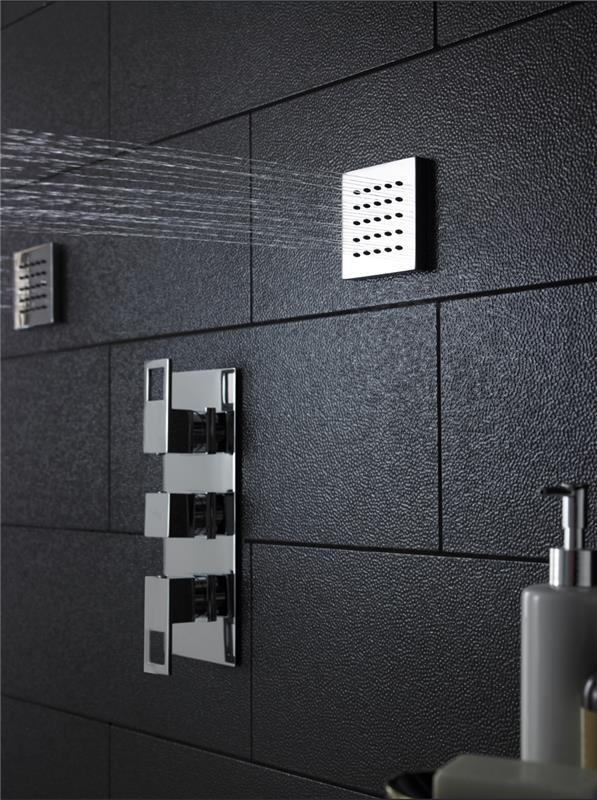
This is where you can bring luxe finishing touches into your shower room.
Body jets mounted on the enclosure walls provide a spa-like massage, while mood lighting around your sink and shower area can make them stand out and create a more relaxing environment. You might also want to install speakers or choose a Bluetooth mirror that lets you play music while you shower.
Small shower room ideas
Creating a small shower room can feel like a challenge, but it's an excellent way to make the most of compact floor plans. Small wet room design is all about making clever choices that maximise space without making it feel cramped.
Here's what you need to know:
1. Choose space-saving shower enclosures
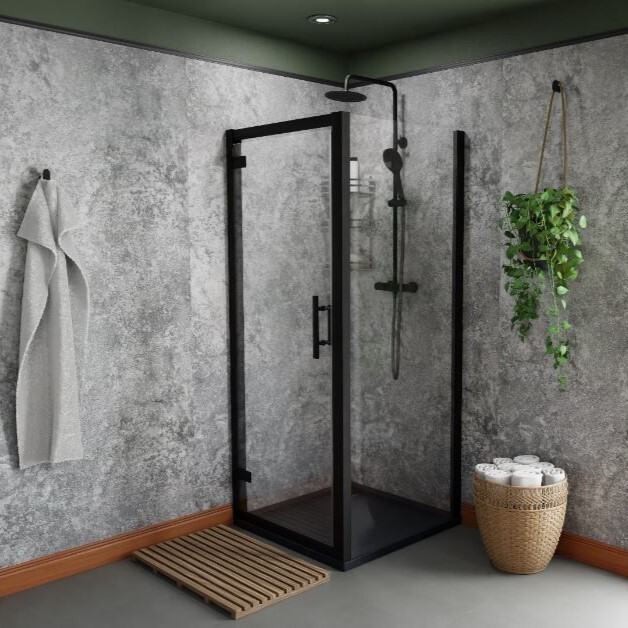
In a small shower room, your enclosure choice is crucial. Corner enclosures are a good choice for tight spaces because they can be tucked neatly into unused areas and don't stick out into much of the floor area. Quadrant and offset quadrant enclosures also work well, offering slightly more showering space while still fitting into smaller layouts.
Brian says: "When you're tight on space, every centimetre counts. With good planning, you might squeeze in a 900mm quadrant enclosure where you thought you could only fit an 800mm one."
2. Think carefully about your shower doors
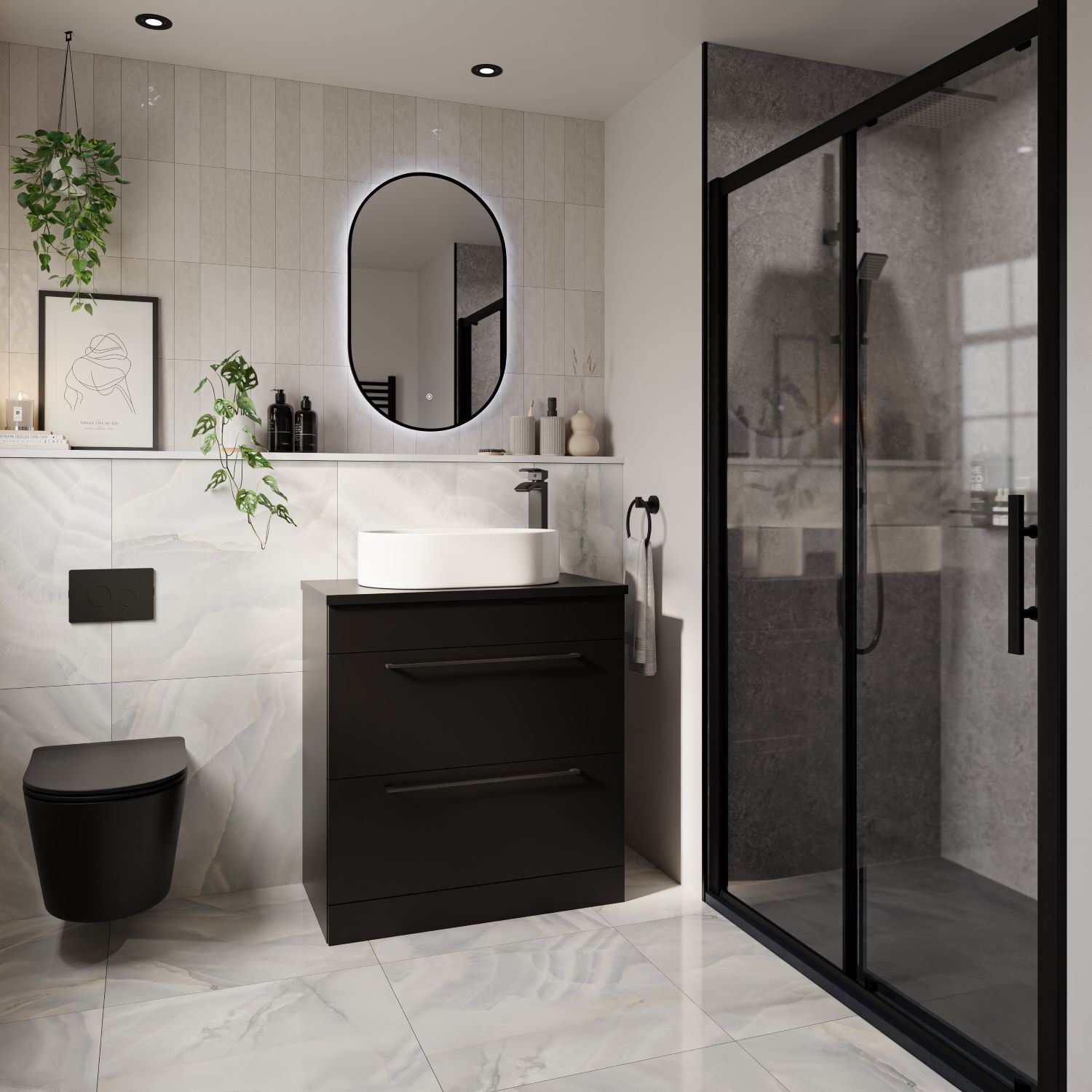
"Don't forget your shower doors,” Brian says. “Bifold or sliding doors are best when you're working with smaller bathrooms because they don't swing out into the room. There's nothing worse than not being able to fully open a shower door because it hits the toilet or basin."
3. Choose smart storage options that maximise space
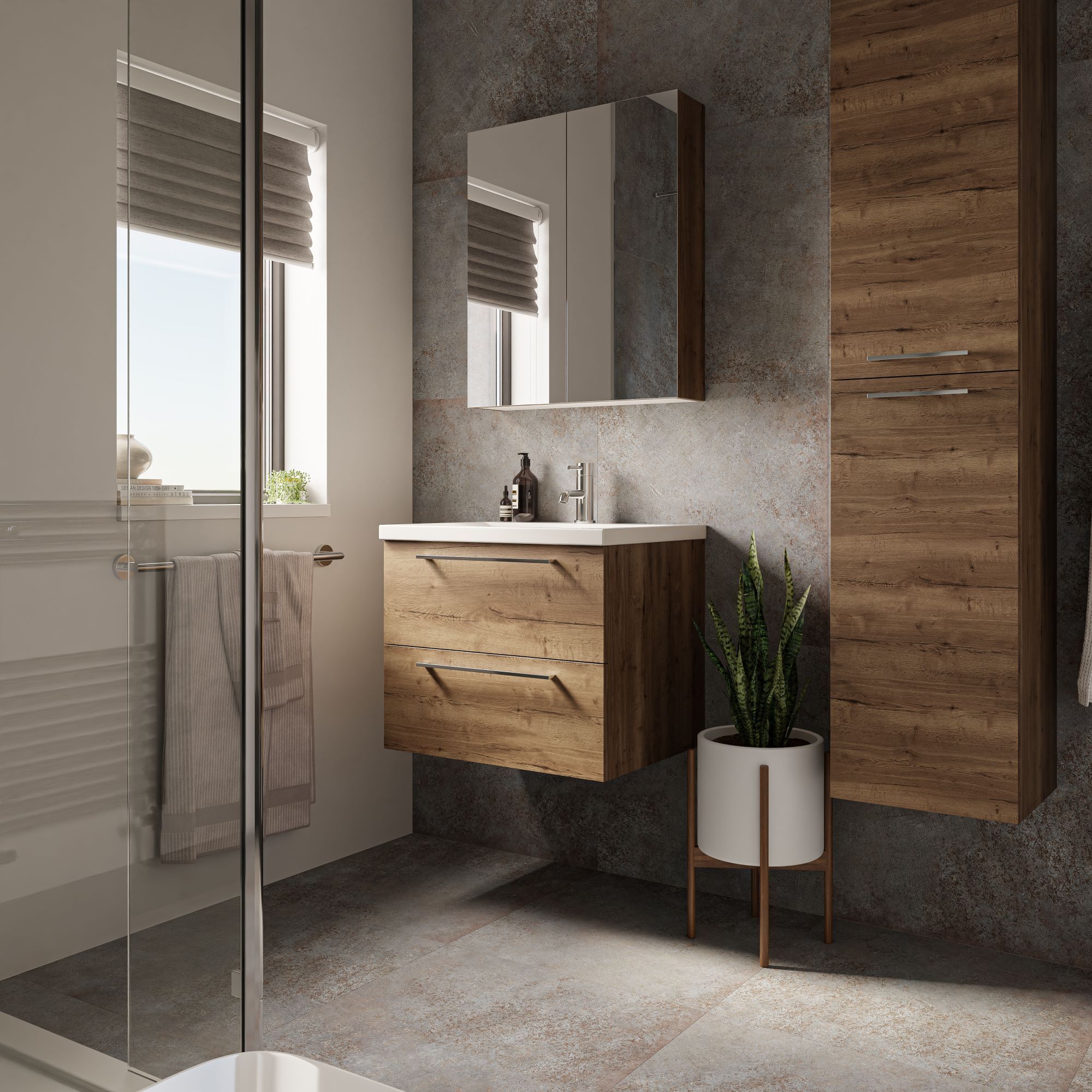
Storage is vital in any bathroom, but finding the right style is crucial in a small shower room where clutter can make the space feel chaotic. The key is choosing pieces that don't take up floor space or make the room feel cramped.
"Storage isn't just about floor-standing cabinets. Wall-mounted options keep your floor clear, making the room feel larger. A mirrored cabinet above the sink gives you plenty of storage without eating into your floor plan, and most come with handy built-in lighting too," Brian advises.
A heated towel rail is another good option that might not always come to mind when you're thinking about storage. These devices provide heating and towel storage, while also having a small footprint that works well for smaller spaces.
Basin vanity units combine built-in storage with your sink, which is a great way to keep extra toiletries and cleaning supplies tucked away.
If you still need additional storage, wall shelves are ideal for items you don't mind having on display, while tall cabinets offer a great way to maximise storage with minimal impact on your floor plan.
4. Opt for wall-hung furniture
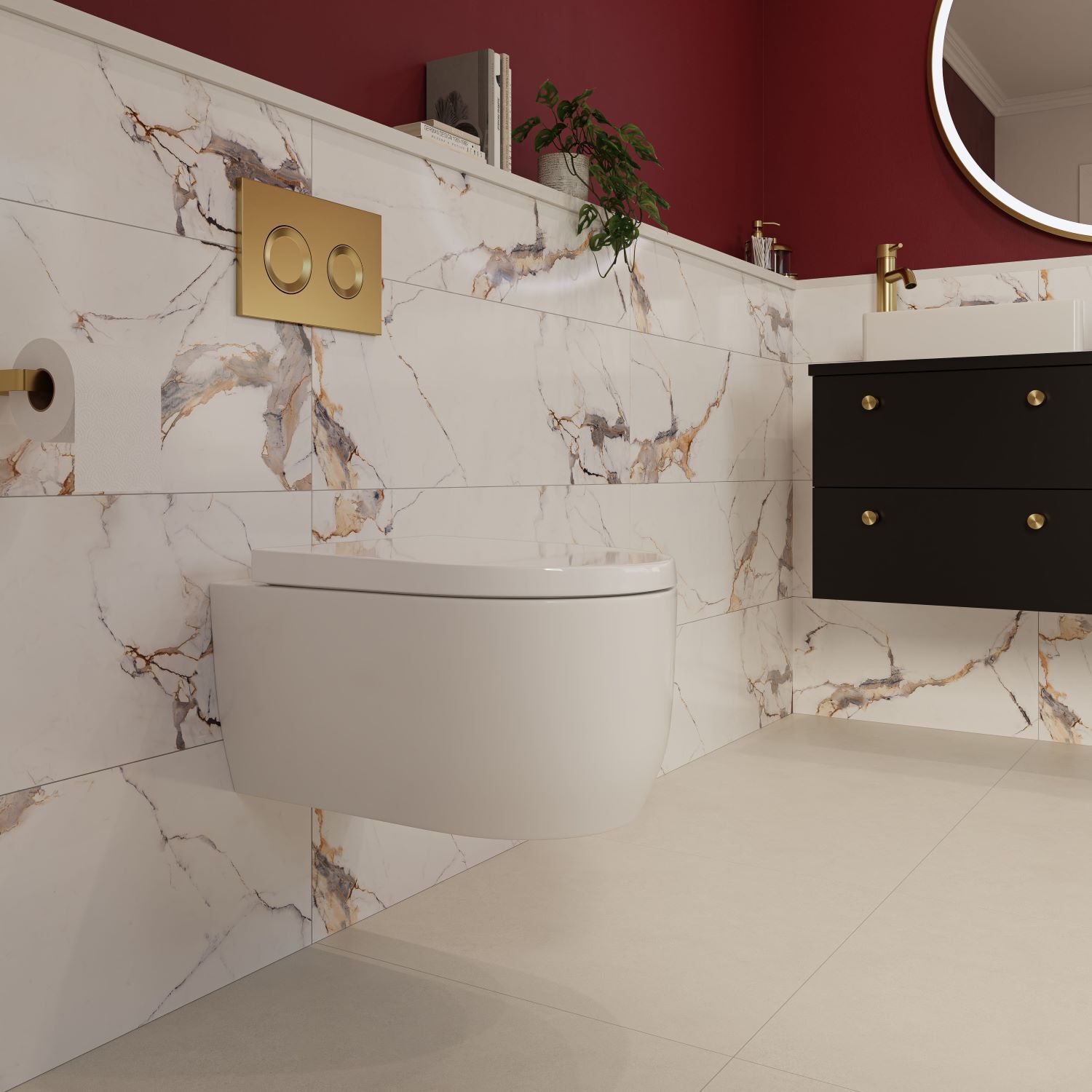
Wall-hung furniture is a game-changer in small shower rooms.
Fitting a wall-hung basin or toilet helps to create an illusion of more space and makes the room feel less cluttered. They have a floating appearance that keeps them up and away from the floor while making cleaning underneath them easy.
5. Fit a compact shower head
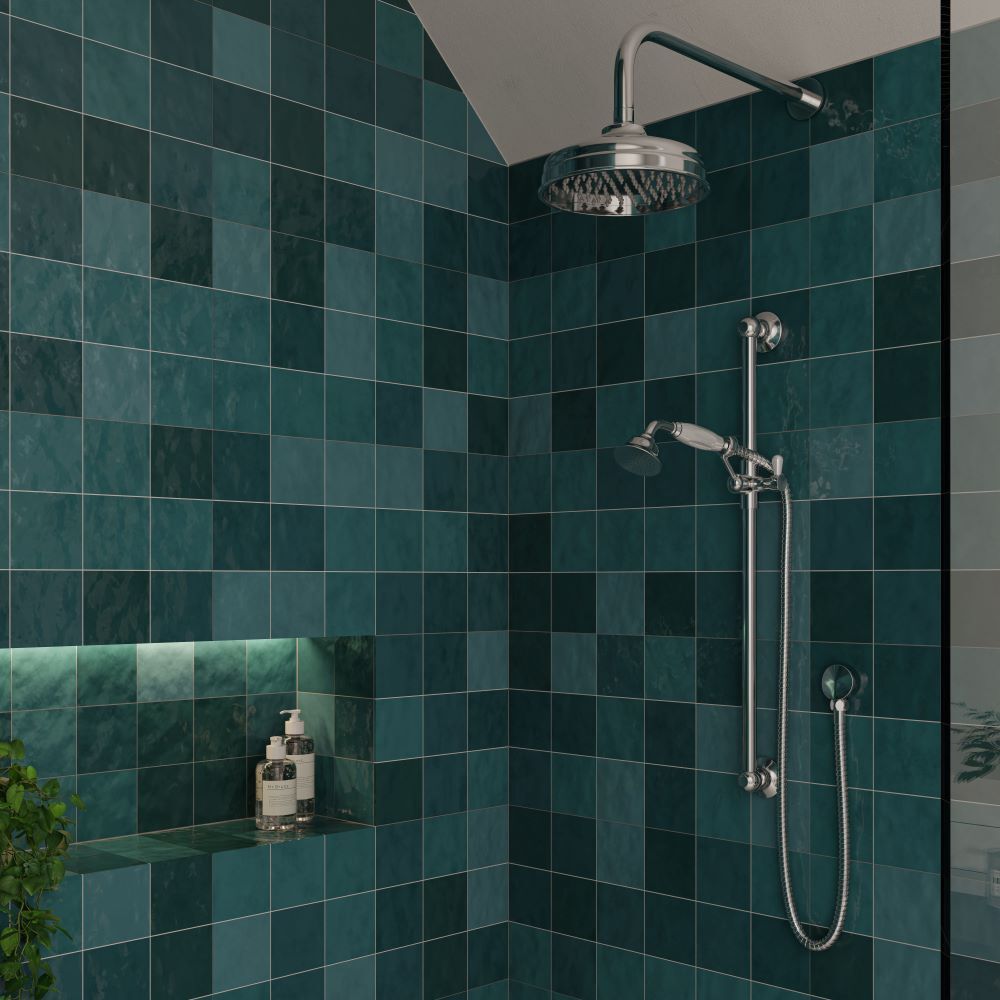
It's not just the room layout you need to think about – the shower also needs to feel comfortable. A shower head that's too large for the space will make you feel boxed in and can get in the way when washing.
Opt for a smaller shower head that fits the proportions of your enclosure, or choose a ceiling-mounted model that keeps the head up and out of reach. This gives you maximum space to move around, making the experience more comfortable.
Create the perfect shower room at Wholesale Domestic
Now that you know the best shower room ideas, it's time to bring your vision to life.
At Wholesale Domestic, we stock everything you need to create the perfect shower space, from spacious walk-in shower enclosures and matching trays to compact wall-hung toilets, dual-purpose mirrored cabinets, and handy heated towel rails.
Browse our full range online, and don't forget to check out our blog for more bathroom inspiration and how-to guides.