
 Track Order
 Wishlist
 Sign In

 FREE delivery over £500*
 Price Match Promise
 Finance options available*
 Rated Excellent on Trustpilot
Washing the Day Away: Why an Evening Shower Is Your Best Sleep Hack
28th May 2026
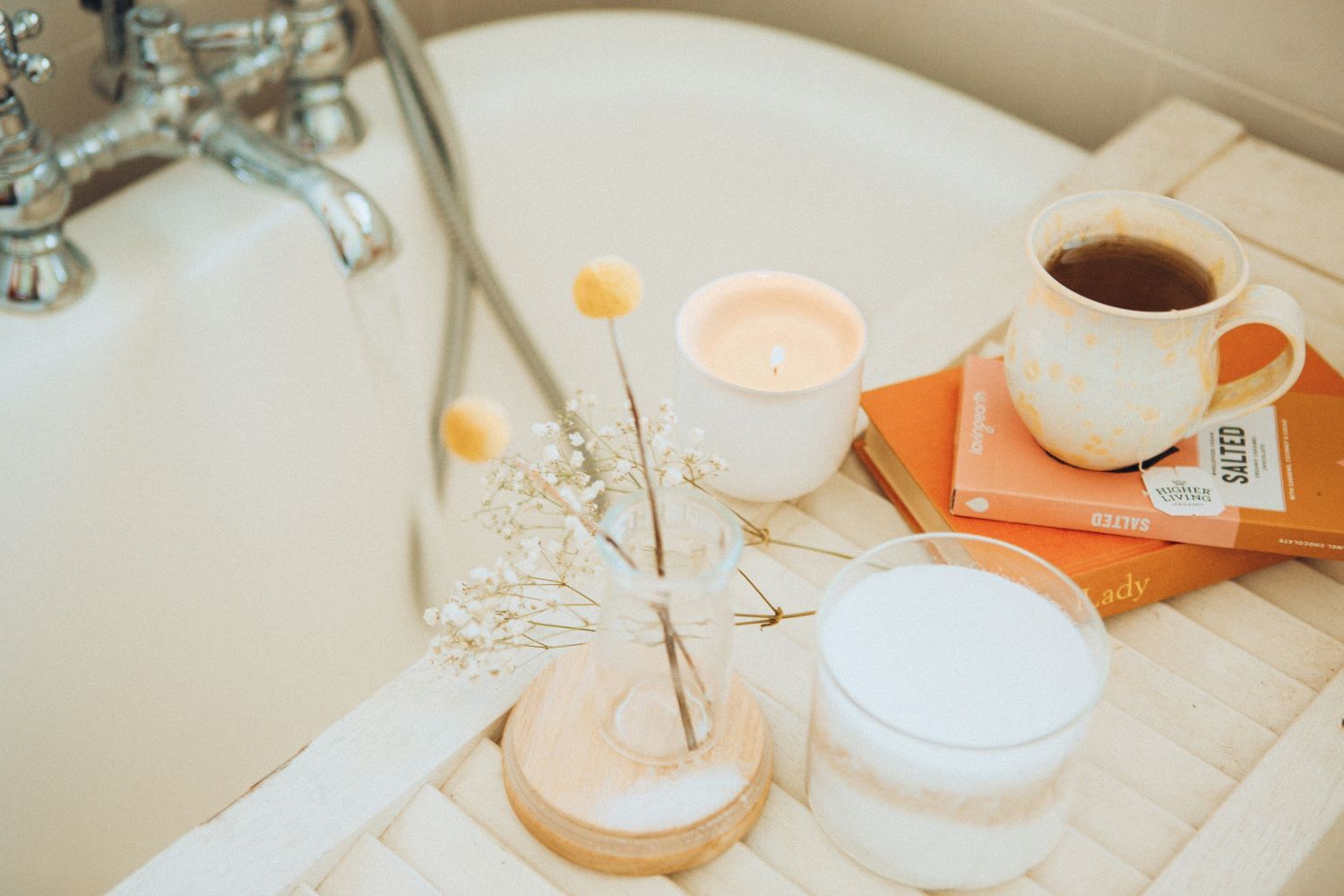
For many, a shower is a chore to tick off before work in the morning or for hygiene purposes when you get home. However, we're seeing a shift toward using a bath or shower as a form of self-care as people prioritise better sleep and stress management.
From 'everything showers' to showering in the dark, the bathroom is now a sanctuary for winding down and relaxing. But with so much misinformation online, it's important to find science-backed answers to improving your wellbeing, rather than vague wellness claims.
To explore the psychological benefits of evening showers, we've partnered with Dr Ravi Gill, a Practitioner Psychologist at Smart Mind Health, and drawn on insights from Brian Toward, CEO here at Wholesale Domestic.
Brian says: "People are always trying to find small ways to look after their wellbeing at home, and bathrooms are quickly becoming a space which helps them do that. An evening shower or bath is one of the simplest ways people can create a moment of calm without needing complicated routines or expensive wellness products.”
Contents:
- The psychology of ‘washing the day away’
- How evening bathing can improve sleep quality
- How water exposure supports relaxation
- The benefits & risks of the ‘showering in the dark’ trend
- How to create the ideal evening bathroom routine
The psychology of ‘washing the day away’
We often use the phrase ‘washing the day away’ to describe the feeling of relief we get when we step under the water after a long shift. While we're physically removing the grime of a daily commute, we're also doing something much deeper for our mental health.
These evening cleansing rituals act as an important segway into the next phase of your day – marking the gateway between the 'high-alert' stimulation of our working lives and the 'rest-and-digest' mindset we need for a peaceful evening at home.
There's a genuine psychological reason why this feels so restorative, as Dr Gill explains:
"Showering at the end of the day can hold important psychological and symbolic meaning beyond physical hygiene. From a psychological perspective, these rituals often act as a transition point between roles, environments, and emotional states, helping people mentally ‘wash the day away’ and create separation from work, stress, or emotional overload."
"Also, studies in embodied cognition have shown that physical acts of cleansing are associated with reduced feelings of guilt, stress, and cognitive burden, sometimes referred to as the ‘Macbeth effect’ – where physical washing is psychologically linked to emotional clearing.”
“Within trauma and stress research, such rituals are also recognised as protective coping strategies, offering predictability, containment, and a sense of control in overstimulating environments. For many people, an evening shower becomes less about hygiene and more about reclaiming psychological space, signalling safety, rest, and permission to pause."
How evening bathing can improve sleep quality
Better sleep is one of the most common reasons people switch to an evening bathing routine. If you regularly toss and turn at night, the science suggests that timing your soak a few hours before you hit the hay could be the key to falling asleep faster.
Research indicates that taking a warm bath or shower with a temperature transfer between 40-42.5°C around 1–2 hours before bedtime can help to reduce restlessness. This helps you drift off quicker and improves the overall quality of your rest. This might seem counterintuitive, and you might be thinking, surely warming up the body makes you more alert. But, in reality, it's all about the temperature drop that happens afterwards.
"Warm showers can support sleep by helping the body regulate temperature in preparation for rest," says Dr Ravi. "When exposed to warm water, blood vessels near the skin surface dilate, allowing heat to escape more efficiently once you step out of the shower. This gradual drop in core body temperature mirrors the body's natural sleep process and signals to the brain that it is time to wind down. As a result, evening showers can promote relaxation, support melatonin release, and help people transition more easily into sleep."
How water exposure supports relaxation
The link between water and mental health is a concept often called ’Blue Mind’.
This theory suggests that being near, in, or under water can put you into a mild meditative state, lowering your heart rate and reducing anxiety. When we bring this into the bathroom, we're using a shower or bath as a tool to switch off the body's stress response.
Dr Gill notes: "Exposure to warm water can help lower cortisol, the body's primary stress hormone, by activating the parasympathetic nervous system. This is because the sensory experience of water, combined with warmth and rhythmic breathing, can slow heart rate, reduce muscle tension, and promote feelings of calm and safety. This physiological shift helps the body move out of a heightened stress state, supporting relaxation, emotional decompression, and overall psychological wellbeing."
The benefits and risks of the ‘showering in the dark’ trend
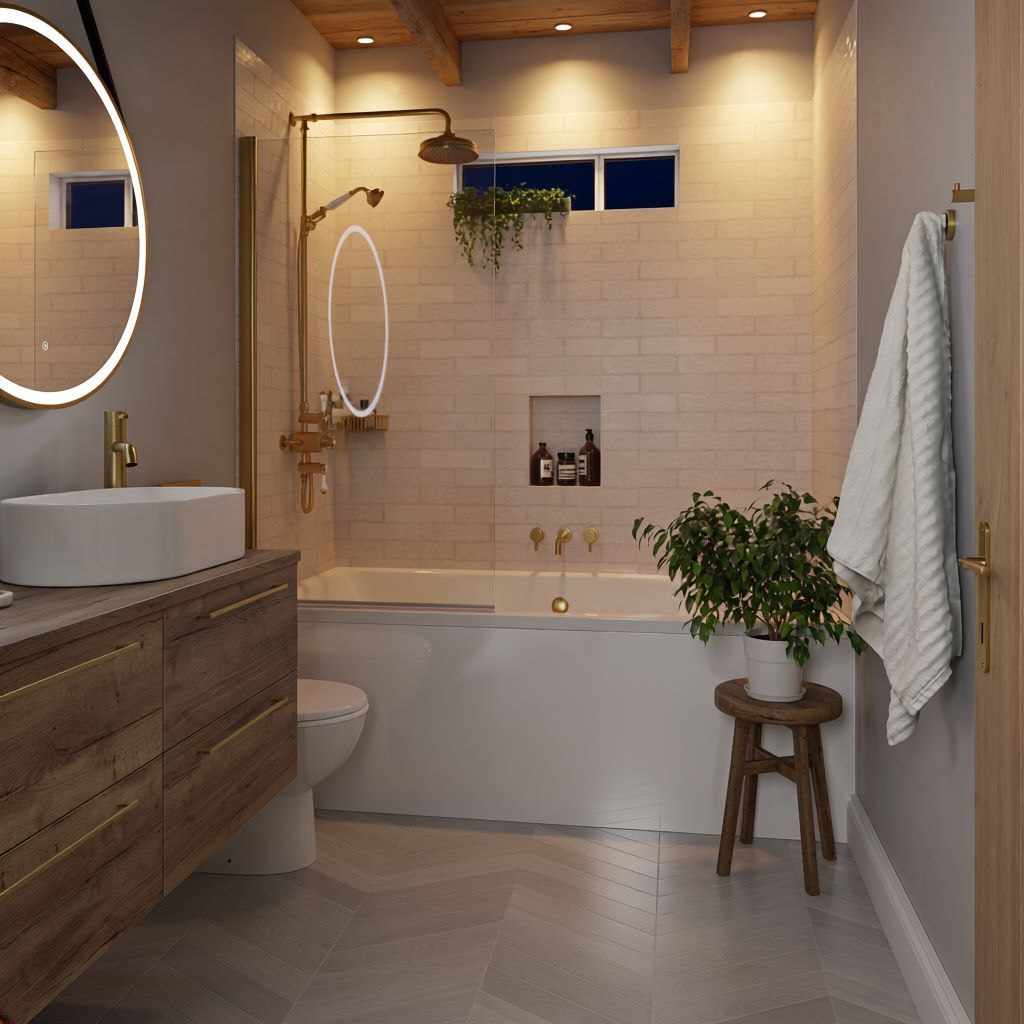
The 'showering in the dark' trend has gained momentum on social media platforms like TikTok. It involves turning off the harsh overhead lights and using candles or dim LEDs to create a low-sensory environment, which is said to make it easier to fall asleep. While it might look like just another social media gimmick, there's a very sound biological logic behind it.
When we're exposed to bright artificial lighting late at night, it can suppress melatonin production (the sleep hormone), making us feel more awake. In fact, around half of households experience at least 50% melatonin suppression due to bright indoor lighting.
By dimming the lights during your evening shower, you're telling your brain that it's officially nighttime.
"One of the main reasons the 'showering in the dark' trend has become so popular is because it encourages people to reduce overstimulation before bed and re-sync their circadian system," Brian says.
"Lowering exposure to bright, artificial lighting in the hours leading up to bedtime can help create a calmer sensory environment, making it easier for people to decompress after a busy day mentally. Many also find that removing distractions and harsh lighting promotes mindfulness and helps them become more present in the moment rather than rushing through their evening routine."
However, it's also important to make sure you're not sacrificing safety for the sake of a trend, as Brian explains:
"While a low-light showering routine can help create a more relaxed atmosphere before bed, it's really important that people don't forget about safety. Complete darkness should always be avoided, as bathrooms are naturally wet, slippery environments where some level of light is vital to reduce the risk of accidents."
He adds: "If people are using candles for softer lighting, they should never be left unattended, and lighting should always be set up in a way that still lets you move around the space safely and see your surroundings. The goal is to create a calming environment, not a hazardous one, so any lighting choice should balance relaxation with practicality and safety at all times."
How to create the ideal evening bathroom routine
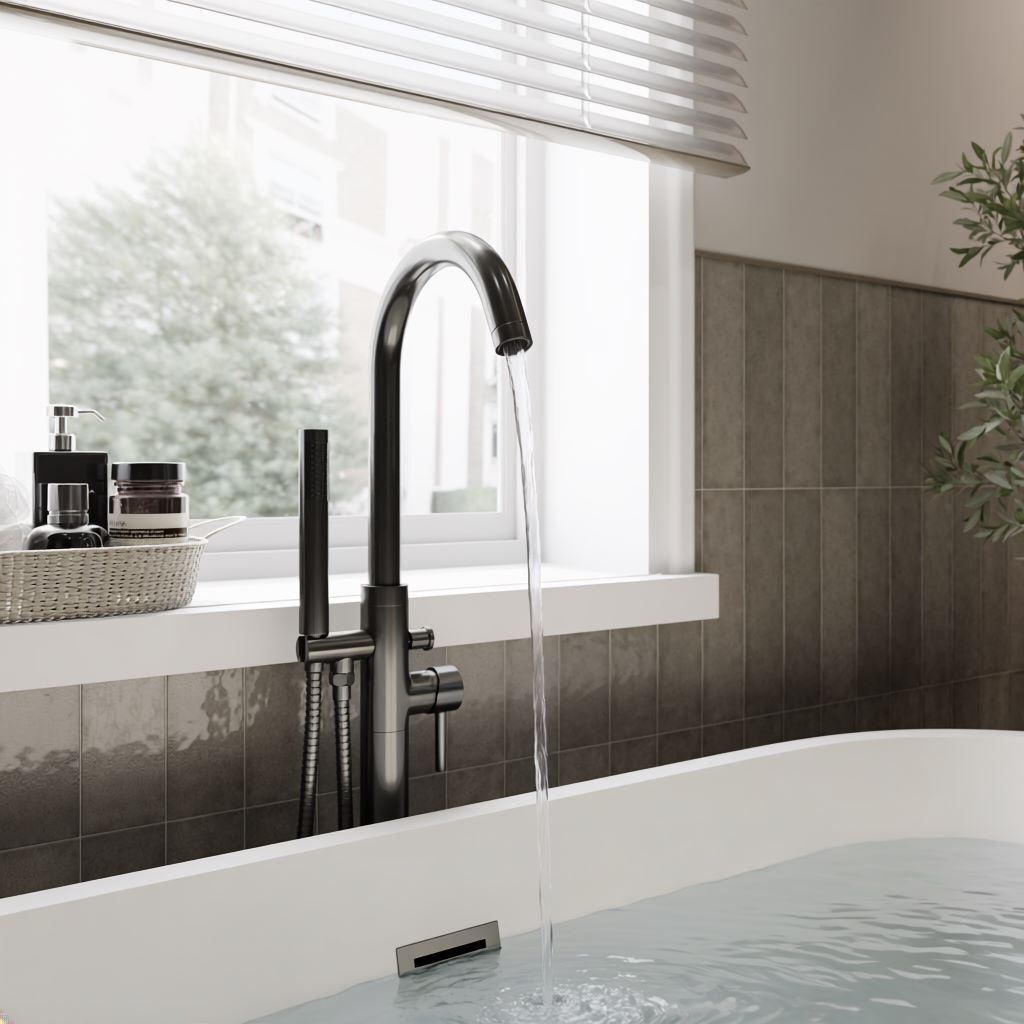
If you want to turn your bathroom into a peaceful space that lets you unwind from the day's events and get in the mood for a full night's sleep, it doesn't take a full renovation.
Small changes can make a world of difference. Here are a few tips to optimise your evening routine:
- Stick to warm water – While a steaming hot bath feels luxurious, it can actually overstimulate the body. In our guide to running the perfect bath, we explained that the ideal temperature is between 36°C and 40°C. You can feel the cardiovascular benefits after just 10 minutes at 40°C.
- Ditch the phone – Try to make the bathroom a screen-free zone. The blue light from your phone is the enemy of sleep, and scrolling through social media keeps your brain in a state of high alert.
- Introduce calming scents – All five senses are powerful tools for relaxation, and your sense of smell is one of the most effective. Consider adding a few drops of lavender or eucalyptus oil to a reed diffuser to really encapsulate that home-spa experience. Alternatively, scented bath bombs are another great way to incorporate aromatherapy into your routine.
- Upgrade your surroundings – Small updates, like choosing new bathroom tiles to create a more neutral, calming palette, can really help make time in the room feel more like a spa and less like a chore.
Bring your home spa to life with Wholesale Domestic
An evening shower or bath is about far more than just hygiene. It's an opportunity to hit the reset button, shake off the stresses of the day, and prepare your mind and body for a deep sleep.
Here at Wholesale Domestic, we offer a wide range of options to help you create a more relaxing bathroom environment.
Whether you're looking for a walk-in shower enclosure for a luxurious experience or a spacious freestanding bathtub to soak away your worries, we've got you covered. Plus, take a look at our illuminated and LED mirrors for a subtle, multi-function alternative to standard overhead lighting.
For more bathroom how-tos and inspiration, see our blog.