
 Wishlist
 Sign In

 FREE delivery over £500*
 Price Match Promise
 Finance options available*
 Rated Excellent on Trustpilot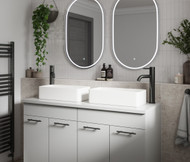
Refresh Your Grout, Revitalise Your Bathroom: The Complete Guide
21st May 2026
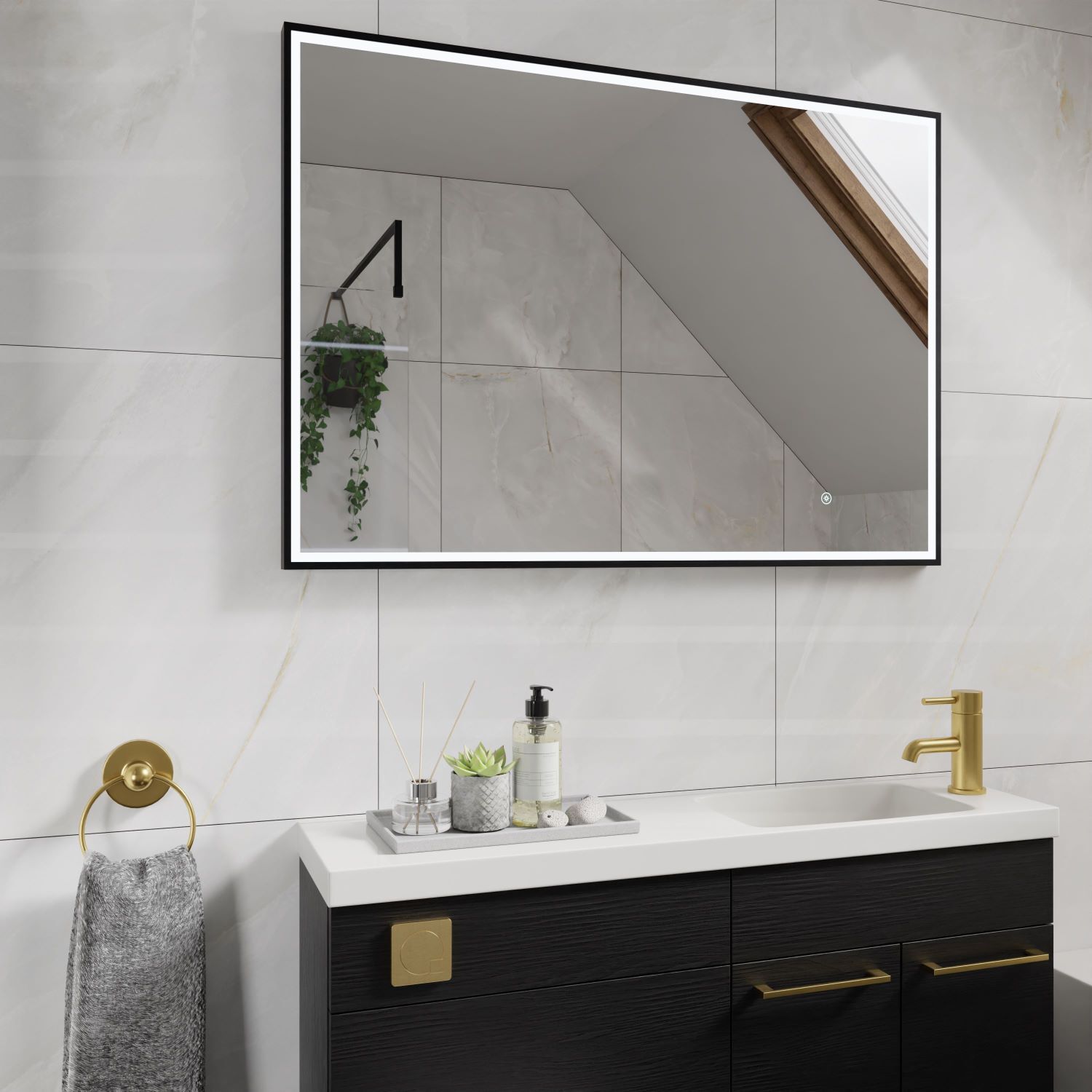
Sometimes the biggest transformations come from the smallest changes. If your bathroom or kitchen tiles are looking dull, grimy, or just a little past their best, the culprit is often not the tiles themselves - it's the grout between them.
Over time, grout can become stained, discoloured, and cracked thanks to moisture, dirt, and everyday wear. The result is a space that feels tired and unloved, no matter how well you keep on top of everything else.
The brilliant thing? You don't need a full renovation to fix it. Simply refreshing your grout is one of the most effective and most affordable home improvements you can make. It instantly brightens the entire space, giving it a clean, like-new appearance that's genuinely hard to believe came from a weekend's work.
In this guide, we'll walk you through exactly why grout deteriorates, when it needs replacing, how to choose the right products, and which grout colour will work best for your space.
Contents
Why does grout deteriorate over time?
Grout works incredibly hard. It fills the joints between your tiles, keeps moisture out, and holds everything together - all in one of the dampest, most heavily used rooms in the home.
It's no surprise, then, that it doesn't stay looking pristine forever. Here's what typically causes grout to deteriorate:
- Moisture and humidity - Bathrooms are constantly exposed to steam, condensation, and splashing water. Over time, this works its way into grout, causing it to soften, stain, and eventually crack.
- Mould and mildew - Warm, humid conditions are the perfect breeding ground for mould, which shows up in grout lines as dark grey or black staining. Once it's embedded deep in the grout, cleaning alone won't always shift it. For persistent mould, take a look at our guide on how to get rid of mould in the bathroom before regrouting.
- Everyday dirt and soap scum - Shampoo, shower gel, toothpaste, and general bathroom products all leave residue that builds up in grout joints over months and years.
- General wear and age - Grout simply has a lifespan. Even well-maintained grout will eventually start to crack, crumble, or shrink away from tile edges over time.
The older the grout, the more noticeable the decline - and the more dramatically a refresh will transform the look of the room.
The transformational impact of fresh grout
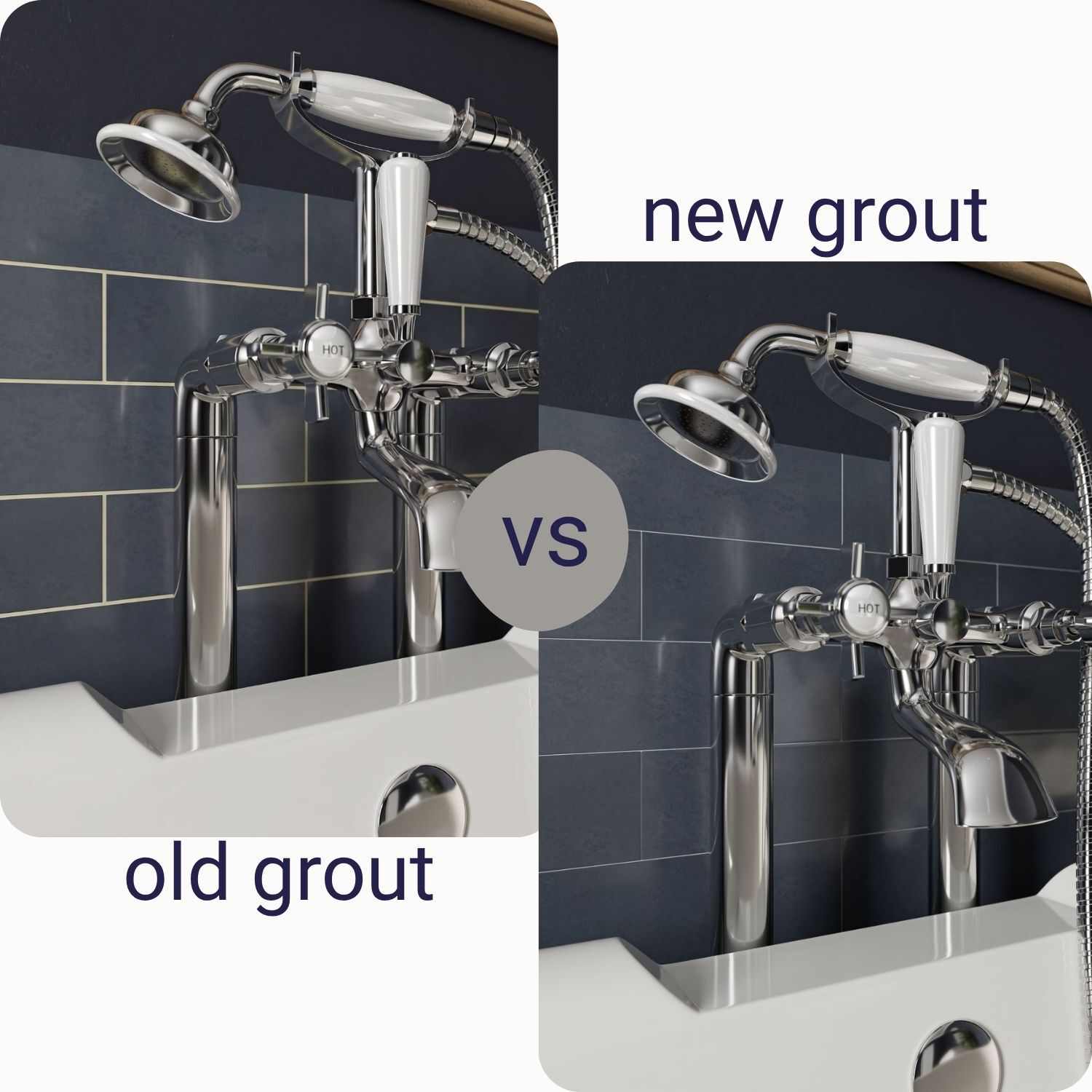
It's difficult to overstate what a difference new grout makes. Fresh, clean grout lines make tiles look brighter and sharper. They make the whole room feel more hygienic. They give a bathroom that satisfying, just-renovated look that's usually associated with spending thousands of pounds - not a weekend project.
Think of it like repainting a wall. The wall itself hasn't changed, but suddenly the whole room looks newer and cleaner. Refreshing grout has exactly the same effect on a tiled space.
This is particularly true when you take the opportunity to choose a new grout colour. Swapping out an ageing, yellowed white grout for a fresh warm grey or charcoal, for example, can completely change the character of a room, making it feel more contemporary and considered without touching a single tile.
Regrouting vs full renovation: the cost case
Let's talk money - because this is where regrouting really makes its case.
A full bathroom renovation can easily run into several thousand pounds once you factor in new tiles, a new suite, labour, and installation. Even replacing tiles alone is a significant job; it involves removing the old ones (risking damage to the wall beneath), sourcing new tiles, and relaying everything from scratch.
Regrouting, by contrast, requires only:
- A bag or two of quality grout
- The right tools to remove the old and apply the new
- A tube of matching silicone for the finishing touches
- A weekend of your time
The materials cost a fraction of a renovation, yet the visual impact can be just as striking. For anyone looking to revitalise their bathroom or kitchen without a major investment, it's one of the smartest decisions you can make.
It's also a great move if you're preparing a home for sale. First impressions count, and a bathroom with bright, fresh grout reads as clean and well-maintained to any potential buyer.
If you’re doing a full refresh, take a look at our tile buying guide for inspiration and advice on choosing the perfect option for your home.
How to know when your grout needs replacing
It's time to regrout if you notice:
- Dark, deep-set staining that doesn't respond to cleaning
- Cracking or crumbling grout lines
- Grout that has shrunk or pulled away from the tile edges
- Missing sections of grout
- Persistent mould that keeps returning despite cleaning
- Grout that feels soft or spongy when pressed
You might just need a good clean if:
- Staining is surface-level and recent
- The grout lines are still intact and solid
- Mould is minimal and confined to the surface
When in doubt, try a thorough clean first. Use a suitable grout cleaner or a mix of warm water and mild detergent, and scrub gently with a grout brush or old toothbrush. Rinse well and let the area dry fully.
If the results aren't good enough, or if the grout is physically damaged, it's time to regrout.
For more tips, read our guide on how to deep clean your bathroom.
Choosing the right grout for your bathroom
There's more to grout than just white powder in a bag. Here's a quick overview of what to look for:
Standard set vs rapid set
Standard set grout (such as the Tilemaster Setaflex Standard Set Tile Adhesive) gives you more working time, which is useful if you're covering a large area or working at a slower pace. It's a great choice for most bathroom tiling projects.
Rapid-set grout is ideal when you need the job done quickly. It cures in a fraction of the time, so you can seal and finish sooner. The Tilemaster Setaflex Rapid Set Tile Adhesive is a solid choice here.
Flexible grout
For bathrooms, particularly around showers, baths, and areas subject to movement or vibration, a flexible grout is worth considering. Products like the Mapei Ultracolor Plus range and BAL Micromax3 Eco grouts are designed to flex slightly with the natural movement of a building, reducing the risk of cracking over time. They're also highly water-resistant, making them particularly well-suited to wet areas.
Grout colour
More on this below, but it's worth knowing that the Tilemaster 3000, Mapei Ultracolor Plus, and BAL Micromax3 Eco ranges all come in a wide variety of colours, from classic Pure White through to mid and dark greys and charcoal. You're not limited to white.
Don't forget the silicone
This step is one that's easy to overlook, but it makes a real difference to both the appearance and the longevity of your finish.
The Tilemaster 3000 Plus Silicone range is available in the same colour palette as the Tilemaster 3000 grout - Pure White, Jasmine, Light Grey, Natural Grey, Mid Grey, Dark Grey, and Charcoal - so you can achieve a perfectly coordinated, seamless finish throughout.
Use the Tileasy Caulking and Silicone Gun for a controlled, even bead, and smooth it off with a wet finger or silicone finishing tool for a professional result. If you need to remove old, discoloured silicone before reapplying, our guide on how to remove and replace old silicone sealant covers the process in full.
How to choose a grout colour
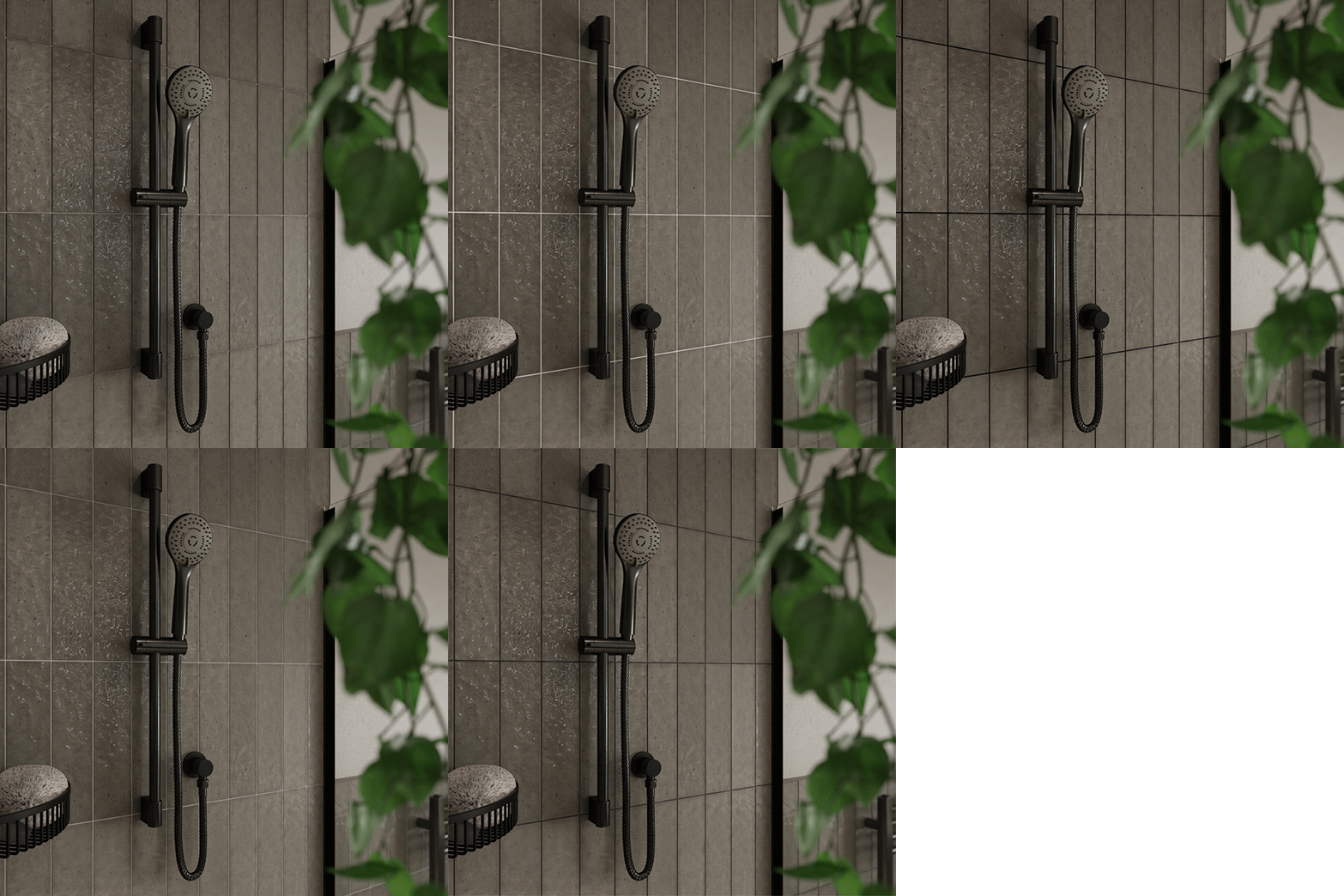
One of the most exciting parts of regrouting is the opportunity to choose a new colour. It's a small decision that can have a surprisingly big impact on the overall look of your bathroom.
Here are a few things to consider:
- White and off-white grouts (Pure White, Jasmine, Moon White) keep things light and airy, and work beautifully with both white and light-coloured tiles. They're a timeless choice - though they do show dirt more readily over time.
- Mid-tones (Light Grey, Natural Grey, Silver Grey, Sand) are incredibly versatile. They complement a huge range of tile colours, hide everyday grime better than white, and feel contemporary without being too bold.
- Dark grouts (Mid Grey, Dark Grey, Charcoal, Anthracite, Ebony) make a real design statement. They work particularly well with large-format tiles, metro tiles, and pale or white tile backgrounds - creating a striking contrast that looks intentional and modern.
The Tilemaster 3000, Mapei Ultracolor Plus, and BAL Micromax3 Eco ranges between them offer an excellent selection of colours to suit any style - from classic white bathrooms to bold, contemporary spaces.
Ready to refresh your bathroom?
Regrouting is one of the most satisfying home improvement projects you can take on - and one of the most rewarding. The transformation is immediate, the cost is minimal, and the results speak for themselves.
Whether you're refreshing a tired shower enclosure, brightening up a bathroom that's seen better days, or simply giving your splashback a new lease of life, the right products make all the difference.
Explore our full range of tile grout, adhesives, and tiling tools at Wholesale Domestic Bathrooms - and if you're planning something bigger, take a look at our bathroom tiles and bathroom suites for everything you need to complete the look.